Understanding the Cuticle and its Proper Care
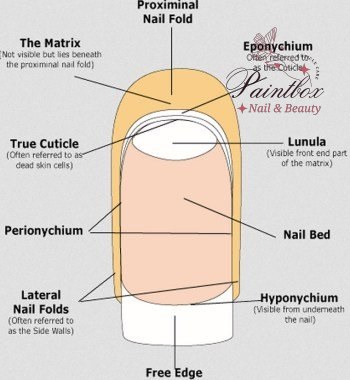
When discussing nail health and beauty, the term “cuticle” often comes up, but its precise meaning and function can sometimes be misunderstood. Another word for cuticle starting with ‘pe’ is “pellicle.” This term specifically refers to the thin, transparent layer of dead skin that attaches to the nail plate at the base of the nail. At Paintbox Nail & Beauty, we believe that understanding your nail anatomy is the first step towards achieving beautiful and healthy hands.
The cuticle plays a vital role in protecting your nails from infections and damage. It acts as a natural seal, preventing bacteria and other harmful substances from entering the nail matrix, which is where your nail grows from. Therefore, proper care of this delicate area is essential for overall nail health.
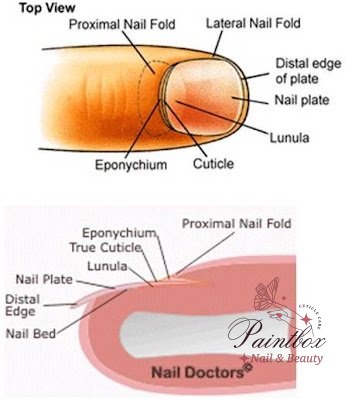
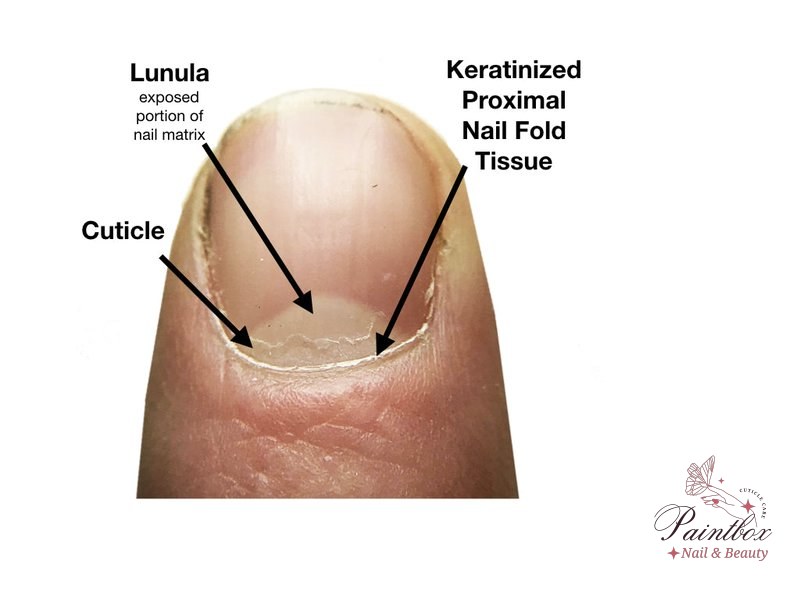
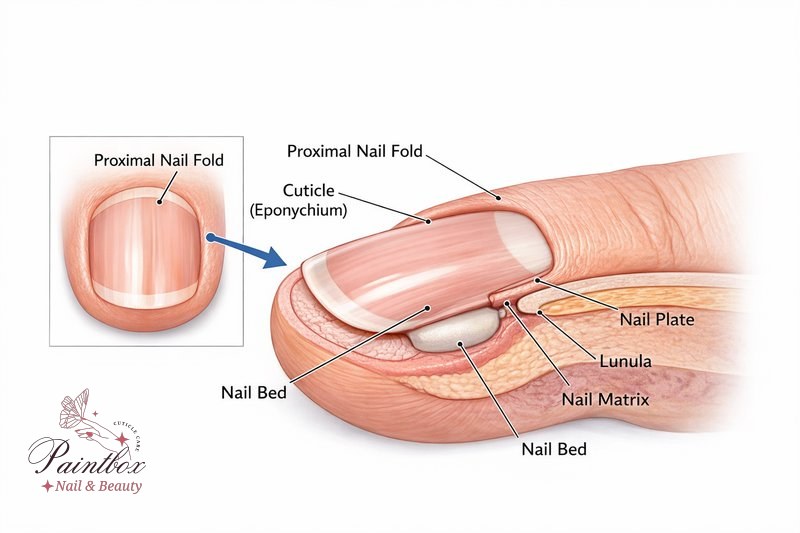
Many people confuse the cuticle with the eponychium. While closely related, they are distinct parts of the nail anatomy. The eponychium is the living tissue at the base of the nail plate, from which the cuticle originates. Recognizing this difference is crucial for effective nail care, as improper handling can lead to various issues.
Defining the Cuticle and its Alternative Names
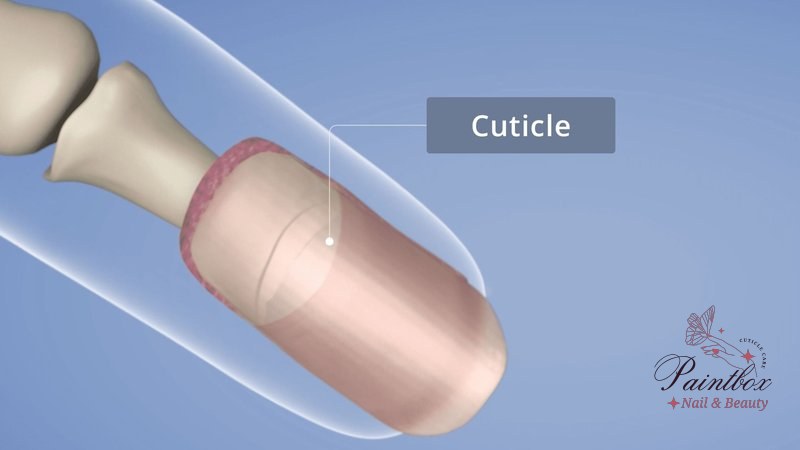
The cuticle, scientifically known as the eponychial fold, is a crucial part of the nail structure. It’s the thin layer of non-living tissue that extends from the proximal nail fold (eponychium) onto the nail plate itself. Its primary function is to seal the area between the nail plate and the eponychium, creating a protective barrier against external pathogens and moisture loss. This barrier is fundamental for maintaining healthy nail growth and preventing infections.
Beyond its common name, the cuticle has several synonyms, especially when looking for terms that start with specific letters. As mentioned, “pellicle” is a notable example. This word is often used in a broader biological context to describe a thin skin or film, making it a fitting description for the cuticle’s appearance and texture. Understanding these alternative names can sometimes help in grasping the scientific and anatomical context of the nail structure.
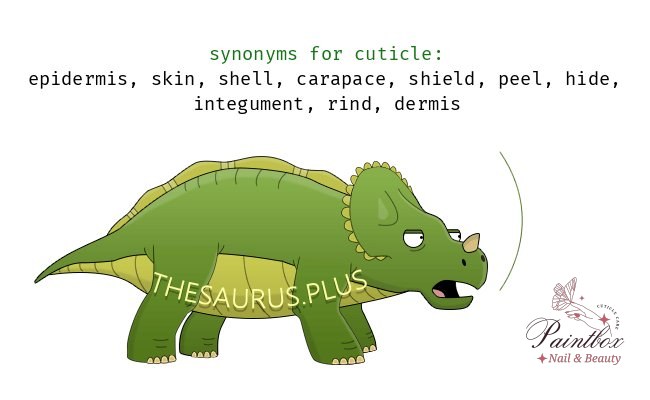
Other general synonyms for cuticle include “epidermis,” referring to the outermost layer of skin, and “integument,” a broader term for a natural outer covering or enclosure. While these terms are not specific to the nail, they highlight the cuticle’s role as a protective outer layer. Recognizing the importance of this small but mighty part of your nail is key to any successful nail care routine. Proper care ensures this protective barrier remains intact and functional.
Exploring “Pellicle” as a Cuticle Term
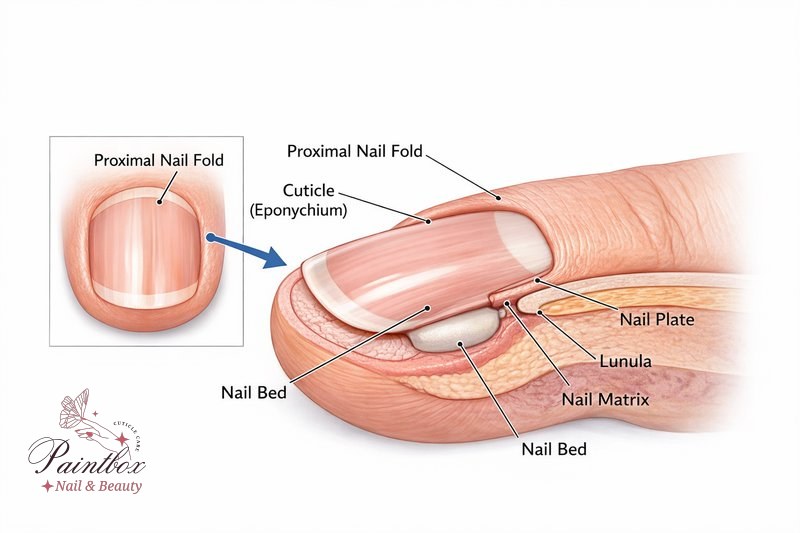
The term “pellicle” is a fascinating alternative for cuticle starting with ‘pe’. In biology, a pellicle refers to a thin skin, film, or membrane, which perfectly describes the translucent layer of dead skin at the base of your nail plate. This thin film serves a critical purpose: it protects the nail matrix from bacteria and infection. When you gently push back or remove this pellicle, you’re essentially removing the dead tissue that can sometimes adhere too tightly to the nail plate.
At Paintbox Nail & Beauty, we emphasize the importance of distinguishing the pellicle from the eponychium. While the pellicle (cuticle) is the dead skin that can be gently pushed back, the eponychium is the living tissue. Damage to the eponychium can lead to pain, bleeding, and potential infection, highlighting why professional and gentle care is paramount. Understanding “pellicle” not only expands your vocabulary but also deepens your knowledge of nail anatomy, promoting healthier nail practices.
Knowing that the cuticle can also be called a pellicle helps in comprehending its delicate nature and its role in protecting the nail. It’s not merely a cosmetic concern but a functional part of your nail’s defense system. Proper hydration and gentle care are essential for keeping this protective layer healthy, preventing it from becoming dry, cracked, or overgrown, which can lead to various nail problems.
The Crucial Role of Your Cuticles
Your cuticles serve as a vital protective barrier for your nails and the surrounding skin. This thin layer of skin acts as a natural seal, preventing water, bacteria, and other harmful substances from entering the nail matrix, the area where your new nail cells are produced. Without this protective seal, your nails would be highly susceptible to infections, leading to pain, inflammation, and potential damage to nail growth. Maintaining the integrity of your cuticles is therefore paramount for overall nail health.
Beyond protection, healthy cuticles also contribute to the aesthetic appeal of your nails. Well-cared-for cuticles frame the nail plate beautifully, giving your hands a neat and polished appearance. Conversely, dry, cracked, or overgrown cuticles can detract from the beauty of your manicure and indicate underlying issues. This is why we at Paintbox Nail & Beauty always advocate for gentle and consistent cuticle care, ensuring both protection and beauty.
Understanding the dual role of the cuticle – protection and aesthetics – underscores why proper care is not just a luxury but a necessity. Neglecting this small but mighty part of your nail can lead to a host of problems, from common hangnails to more serious bacterial or fungal infections. Investing time in gentle cuticle care is an investment in the long-term health and beauty of your nails.

Protecting Your Nail Matrix from Infections
The primary and most critical function of your cuticle is to protect the nail matrix. The nail matrix is the living tissue found at the base of the nail, beneath the eponychium, where nail cells are generated. It is highly sensitive and susceptible to infection. The cuticle acts as a strong, natural barrier, sealing this vulnerable area from external elements such as bacteria, fungi, and harsh chemicals. Without an intact cuticle, these pathogens can easily penetrate, leading to conditions like paronychia, which is an infection of the nail fold.
Maintaining a healthy, intact cuticle is essential for preventing such infections. When cuticles are improperly trimmed or damaged, this protective seal is broken, leaving the nail matrix exposed. This exposure significantly increases the risk of bacterial and fungal invasions, which can compromise the health and appearance of your entire nail. At Paintbox Nail & Beauty, we educate our clients on the importance of gentle cuticle care to preserve this natural defense mechanism.
Therefore, understanding the cuticle’s role in safeguarding the nail matrix is fundamental to any effective nail care routine. It emphasizes why you should avoid aggressive cutting or pushing, instead opting for moisturizing and gentle shaping. By protecting your cuticle, you are directly protecting the source of your nail’s growth and ensuring its long-term health and strength.

Promoting Healthy Nail Growth
Healthy cuticles are directly linked to healthy nail growth. The condition of your cuticle can significantly impact how your nails grow, affecting their strength, texture, and overall appearance. When your cuticles are well-hydrated and properly cared for, they provide an optimal environment for the nail matrix to produce strong, healthy nail cells. This leads to smoother, less brittle nails that are less prone to breaking or peeling.
Conversely, dry, damaged, or neglected cuticles can hinder healthy nail growth. When cuticles are cracked or inflamed, they can interfere with the nail matrix, potentially causing ridges, discoloration, or even deformities in the growing nail plate. This highlights the importance of incorporating cuticle care into your regular nail routine. Gentle moisturizing and pushing back, rather than cutting, are practices that support robust nail growth.
By ensuring your cuticles remain supple and intact, you are essentially nurturing the foundation of your nails. This proactive approach helps in preventing common nail problems and contributes to the overall vitality of your hands. A little attention to this often-overlooked area can make a significant difference in the long-term health and beauty of your nails, promoting consistent and strong growth.

Best Practices for Cuticle Care
Proper cuticle care is essential for maintaining nail health and achieving beautiful hands. It involves a balance of hydration, gentle maintenance, and knowing what to avoid. The goal is to keep the cuticle supple and intact, preserving its natural protective function without causing damage. Regular and gentle care can prevent common issues like dryness, hangnails, and infections, ensuring your nails always look their best.
One of the most important aspects of cuticle care is moisturizing. Just like the rest of your skin, your cuticles need hydration to stay healthy and flexible. Using a high-quality cuticle oil or cream daily can make a significant difference. This practice helps prevent the cuticles from drying out, cracking, and becoming unsightly or painful. Consistency is key when it comes to moisturizing, especially if you frequently wash your hands or are exposed to harsh elements.
Another crucial best practice is gentle pushing, not cutting. While some might be tempted to trim their cuticles for a cleaner look, cutting can break the protective seal and expose your nail matrix to harm. Instead, after softening your cuticles, gently push them back with a cuticle pusher. This method is much safer and more effective for maintaining healthy, neat cuticles. Paintbox Nail & Beauty always prioritizes methods that promote long-term nail health over quick fixes.

Hydrating Your Cuticles Daily
Hydrating your cuticles daily is perhaps the single most important step in effective cuticle care. Just like the skin on your face or hands, your cuticles need moisture to remain healthy, soft, and flexible. Dry cuticles are prone to cracking, peeling, and can lead to painful hangnails, which not only look unsightly but also compromise the protective barrier of your nail. Regular hydration helps to keep the cuticle supple, allowing it to perform its barrier function effectively.
The best way to hydrate your cuticles is by applying a dedicated cuticle oil or balm at least once a day, preferably before bedtime. These products are specifically formulated with nourishing ingredients like vitamin E, jojoba oil, or almond oil, which penetrate deeply to moisturize and strengthen the cuticle area. Gently massaging the oil into your cuticles and the surrounding skin will also stimulate blood flow, further promoting healthy nail growth.
Incorporating this simple step into your daily routine can make a dramatic difference in the appearance and health of your nails. Consistent hydration will transform dry, brittle cuticles into soft, pliable ones, making them less likely to tear or become inflamed. This also helps to maintain the overall neatness of your manicure, keeping your nails looking professionally cared for even between salon visits.

Gentle Pushing Back Versus Cutting
When it comes to cuticle maintenance, the debate between pushing back and cutting is a long-standing one. At Paintbox Nail & Beauty, we strongly advocate for gently pushing back your cuticles rather than cutting them. The cuticle serves a vital protective role for your nail matrix, and cutting it can compromise this natural barrier. When you cut your cuticles, you create tiny openings that can allow bacteria and fungi to enter, significantly increasing the risk of infection, such as paronychia.
Gently pushing back your cuticles, on the other hand, helps to keep the nail area neat and tidy without damaging the protective seal. This method involves softening the cuticles, typically by soaking your hands in warm water or applying a cuticle remover, and then using a clean, blunt tool like a wooden or rubber-tipped cuticle pusher. The goal is to gently guide the dead skin back from the nail plate, revealing a longer, cleaner nail bed.
This approach not only prevents infections but also promotes healthier nail growth. By avoiding cuts and tears, you allow the cuticle to function as nature intended, protecting the delicate new nail tissue. Regular, gentle pushing back, combined with daily hydration, is the safest and most effective way to maintain beautiful and healthy cuticles, ensuring the longevity and strength of your nails.
Common Cuticle Problems and Solutions
Even with the best intentions, cuticles can sometimes develop problems that require specific attention. Common issues range from dryness and hangnails to more severe infections. Recognizing these problems early and knowing how to address them effectively is key to maintaining overall nail health. Many of these issues stem from improper care, environmental factors, or a lack of understanding of the cuticle’s delicate nature.
Dry and brittle cuticles are a frequent complaint, often caused by dehydration, harsh soaps, or exposure to cold weather. The solution lies in consistent moisturizing with cuticle oils or creams and avoiding prolonged contact with drying agents. Hangnails, which are small, torn pieces of skin near the nail, are another common problem. These are often a result of dry cuticles or minor trauma and can be painful. Treating them involves carefully trimming the loose skin and increasing hydration to prevent recurrence.
More serious issues include infections like paronychia, which can occur when the cuticle’s protective barrier is compromised. Symptoms include redness, swelling, and pain around the nail. In such cases, professional medical advice is often necessary. Regular, gentle care at home, coupled with professional manicures at places like Paintbox Nail & Beauty, can help prevent these problems, ensuring your cuticles remain healthy and functional.
Dealing with Dry and Brittle Cuticles
Dry and brittle cuticles are a common issue that can make your hands look unkempt and lead to discomfort. This condition often results from a lack of moisture, frequent exposure to water without proper drying, harsh chemicals, or simply environmental factors like cold, dry air. When cuticles become dry, they lose their elasticity, making them prone to cracking, peeling, and forming painful hangnails. Addressing this problem requires a consistent and dedicated approach to hydration and protection.
The most effective solution for dry and brittle cuticles is daily moisturization. Investing in a high-quality cuticle oil or balm and applying it multiple times a day can significantly improve their condition. Look for products rich in vitamins and nourishing oils such as jojoba, almond, or vitamin E oil, which penetrate deeply to restore moisture and elasticity. Gently massage the product into the cuticles and the surrounding skin to enhance absorption and stimulate blood flow.
In addition to hydration, it’s crucial to protect your cuticles from harsh elements. Wear gloves when doing dishes, cleaning with chemicals, or gardening to minimize exposure. Avoid using harsh nail polish removers containing acetone, as these can strip moisture from your nails and cuticles. By implementing these practices, you can transform your dry, brittle cuticles into soft, healthy, and resilient barriers, supporting overall nail health and beauty.
Treating Hangnails and Minor Infections
Hangnails are those annoying, often painful, little pieces of torn skin near your nail. They usually occur when cuticles are dry or have been roughly treated. While they might seem minor, if left untreated or improperly handled, hangnails can lead to more significant problems, including infections. The key to treating hangnails is careful management to prevent further damage and to promote healing, ensuring that the cuticle area remains healthy.
To treat a hangnail, start by softening the area in warm water. Then, using a clean, sharp cuticle nipper, carefully trim the loose piece of skin as close to the base as possible without pulling or tearing. Never rip or bite off a hangnail, as this can worsen the tear and increase the risk of infection. After trimming, apply an antiseptic cream to prevent bacteria from entering the open wound. Following this, consistent moisturizing with cuticle oil is crucial to prevent future hangnails.
For minor infections, characterized by redness, swelling, or slight pain around the cuticle, over-the-counter antibiotic creams can be effective. Keep the area clean and dry, and continue applying the cream as directed. If the infection persists, worsens, or shows signs of pus, it’s important to seek medical attention. Professional advice can prevent the infection from spreading and ensure proper healing. Regular, gentle cuticle care is your best defense against these common problems.
FAQ: Frequently Asked Questions About Cuticles
What is the primary function of the cuticle?
The primary function of the cuticle is to act as a protective seal, preventing bacteria and other pathogens from entering the nail matrix, where new nail cells are formed. This barrier is crucial for preventing infections and maintaining overall nail health and strength.
Can I safely remove my cuticles at home?
While you can gently push back your cuticles at home after softening them, cutting your cuticles is generally not recommended. Cutting can break the protective seal, increasing the risk of infection and potentially causing damage to the nail matrix.
How often should I moisturize my cuticles?
You should moisturize your cuticles daily, ideally once or twice, using a dedicated cuticle oil or balm. Consistent hydration helps keep them soft, pliable, and less prone to dryness, cracking, and hangnails, promoting healthier-looking nails.
What is the difference between the cuticle and the eponychium?
The cuticle is the thin layer of dead skin that adheres to the nail plate, while the eponychium is the living tissue at the base of the nail, from which the cuticle originates. The eponychium should never be cut, as it is living tissue vital for protection.
What are some signs of an infected cuticle?
Signs of an infected cuticle include redness, swelling, pain, warmth, and sometimes pus around the nail fold. If you notice these symptoms, it’s important to keep the area clean and consider seeking medical advice, especially if symptoms worsen.
Conclusion
Understanding the vital role of your cuticles and recognizing terms like “pellicle” as another word for cuticle starting with ‘pe’ is fundamental to achieving and maintaining healthy, beautiful nails. We’ve explored how the cuticle acts as a crucial protective barrier, safeguarding your nail matrix from infections and promoting strong, healthy nail growth. By adopting best practices such as daily hydration and gentle pushing back instead of cutting, you can prevent common cuticle problems and ensure your nails remain in optimal condition.
At Paintbox Nail & Beauty, we believe that informed care leads to lasting beauty. By following the advice outlined in this article, you are well-equipped to nurture your cuticles, enhancing both the health and aesthetics of your hands. For further insights and professional treatments that respect the integrity of your nails, visit our page on cuticle care and understanding another word for cuticle starting with ‘pe’. Take the first step towards healthier nails today by prioritizing proper cuticle care.