Why do cuticles grow and what is their natural function
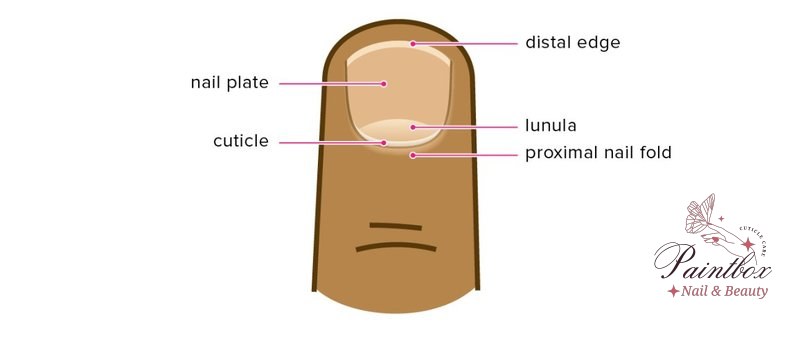
Cuticles grow as a natural protective barrier for your nails, sealing the area where the nail plate emerges from the skin and shielding the delicate nail matrix from bacteria and infection. At Paintbox Nail & Beauty, we understand the importance of healthy nails, and that starts with understanding your cuticles. Many people often misunderstand cuticles, believing them to be dead skin that needs to be aggressively removed. However, these small, crescent-shaped pieces of skin play a vital role in maintaining overall nail health and preventing common nail issues.
Ignoring the natural function of your cuticles can lead to a host of problems, from infections to weakened nail growth. This article will delve into the science behind why cuticles grow, their essential purpose, and how you can care for them effectively to ensure beautiful, strong nails. We will explore common misconceptions and provide practical advice for maintaining optimal cuticle health.
Understanding the essential role of cuticles

Cuticles grow to serve a fundamental purpose in protecting your nail health. They are not merely excess skin but a crucial part of your nail’s anatomy, acting as a natural seal. This seal prevents harmful bacteria, fungi, and other pathogens from entering the nail matrix, which is the live tissue where your nail plate is formed. Without this protective barrier, your nails would be far more susceptible to infections and damage.
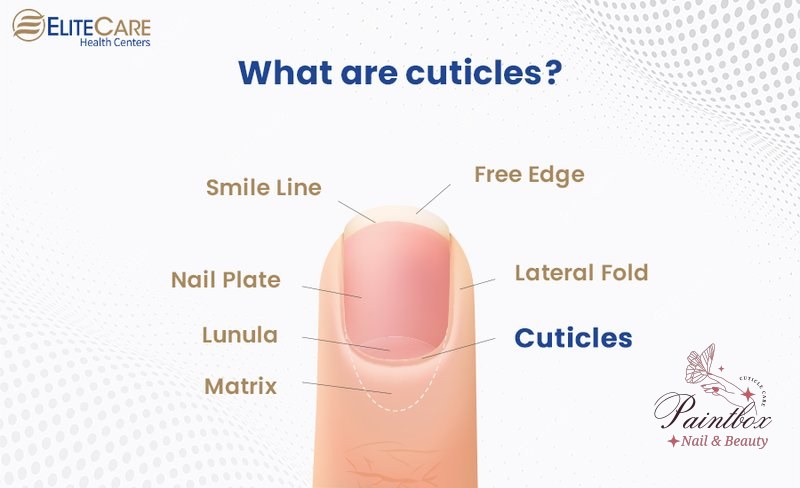
The cuticle, often confused with the eponychium (the living skin at the base of the nail), is actually the dead, transparent skin that attaches to the nail plate itself. This distinction is important because while the eponychium should never be cut, the cuticle can be gently pushed back. Understanding this difference is key to proper nail care, ensuring you maintain the integrity of your protective layers.
When cuticles are damaged or removed improperly, this natural shield is compromised. This opens the door for microorganisms to enter and cause painful infections, inflammation, and even affect the healthy growth of your nail plate. Proper cuticle care therefore focuses on maintaining their health and flexibility, rather than eliminating them entirely.
The science behind cuticle growth and protection
The process of why cuticles grow is biologically intricate and designed for optimal protection. Cuticles are essentially dead skin cells that form a tight seal around the base of the nail. This seal is crucial because it protects the nail matrix, the living tissue located beneath the eponychium, where new nail cells are produced. Any damage to this area can lead to irregularities in nail growth, such as ridges or discoloration.
The continuous growth of cuticles is a natural part of your body’s self-renewal process. As new skin cells are generated at the base of the nail, older cells are pushed forward, forming the visible cuticle. This constant renewal ensures that the protective barrier remains intact and effective. Maintaining good hydration and gently pushing back the cuticles helps to manage this growth without causing harm.
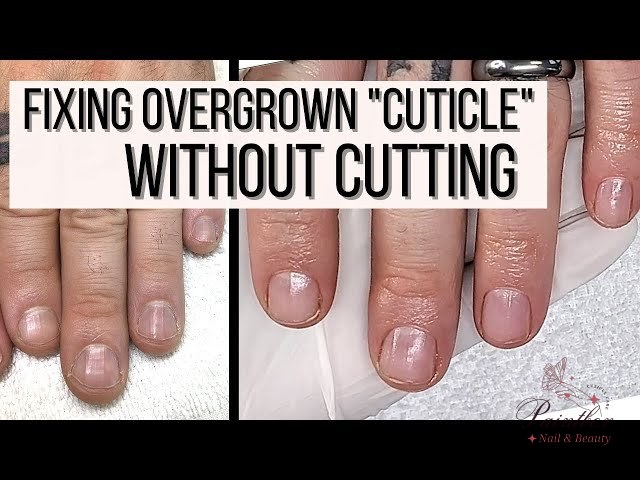
A strong, healthy cuticle prevents external aggressors from reaching the vulnerable nail matrix. This defense mechanism is why experts strongly advise against cutting cuticles, as it creates an open wound and eliminates this vital protective layer. Instead, gentle hydration and careful pushing back are the recommended methods for managing cuticle growth.
Factors that influence cuticle growth
Several factors can influence why cuticles grow, and sometimes even why they appear to grow faster or become more prominent. While genetic predisposition plays a role, environmental factors, personal habits, and even internal health conditions can significantly impact cuticle health and appearance. Understanding these influences can help you address specific concerns and tailor your cuticle care routine.
For example, exposure to harsh chemicals, frequent hand washing without proper moisturization, and even the climate can contribute to dry, overgrown cuticles. Similarly, picking at or biting your cuticles can stimulate faster, thicker growth as your body tries to repair the damaged area. Recognizing these triggers is the first step towards achieving healthier, more manageable cuticles.
Poor nail care habits causing accelerated growth
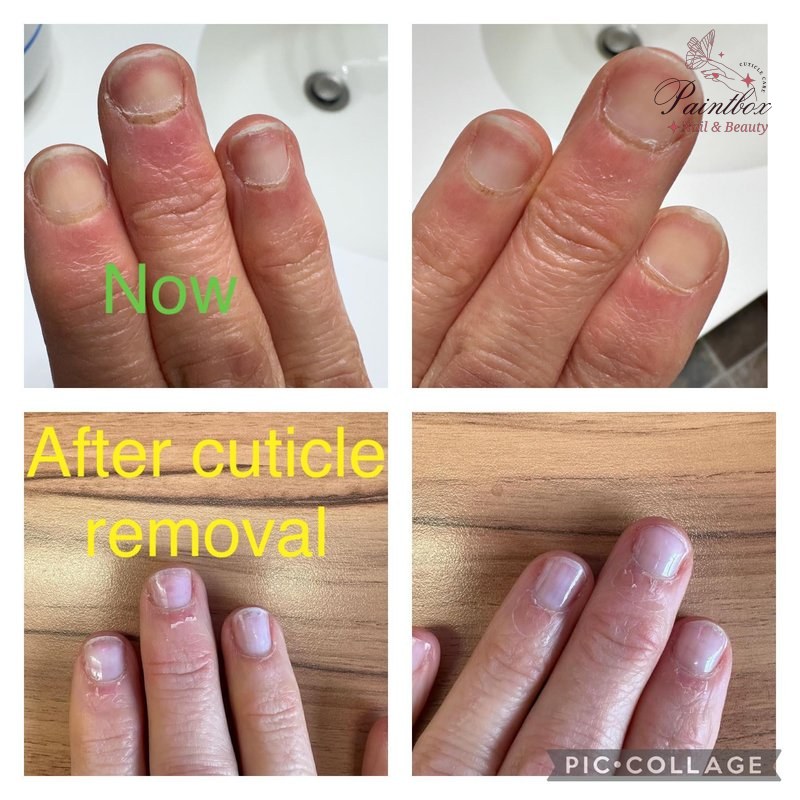
Poor nail care habits are a common reason why cuticles grow more aggressively or appear overgrown. One of the most significant culprits is cutting the cuticles. While it might seem like a quick fix for overgrown cuticles, cutting them actually triggers a protective response from your body. The skin grows back thicker and often faster to compensate for the removed protective barrier, creating a vicious cycle of overgrowth.
Additionally, neglecting to moisturize your cuticles can lead to dryness and hardening, making them more prone to tearing and splintering. This damage can also encourage the body to produce more skin cells in an attempt to heal and protect the area, further contributing to the appearance of overgrown cuticles. Regularly pushing back cuticles too aggressively can also cause trauma, leading to similar issues.

Environmental factors affecting cuticle health
Environmental factors significantly impact why cuticles grow and how they appear. Cold, dry weather can strip moisture from the skin, leading to dry, brittle cuticles that are more prone to cracking and tearing. Conversely, excessive exposure to water, especially without adequate drying and moisturizing, can also weaken the cuticle barrier, making it more susceptible to damage and infection.
Chemicals found in household cleaning products, hand sanitizers, and even some nail polishes or removers can irritate and dry out the cuticles. This irritation can prompt the skin to produce more cells, leading to thicker, more noticeable cuticles. Wearing gloves when performing household chores or gardening can offer significant protection against these environmental aggressors.

Proper care for healthy cuticles
Understanding why cuticles grow is the first step towards providing them with the proper care they deserve. Healthy cuticles are essential for strong, beautiful nails, and incorporating a consistent care routine can prevent many common nail problems. The goal is to maintain the integrity of this protective barrier, not to remove it.
A good cuticle care routine involves gentle treatment, consistent hydration, and protection from harsh elements. By adopting these practices, you can ensure your cuticles remain supple, healthy, and continue to perform their vital role in safeguarding your nail health.
Hydrating and moisturizing your cuticles regularly
Hydrating and moisturizing your cuticles regularly is paramount for preventing them from drying out and becoming overgrown. Just like the skin on the rest of your body, cuticles benefit immensely from consistent moisture. Dry cuticles are more prone to tearing, peeling, and can even appear thicker as the body tries to repair the damaged skin.
Using a high-quality cuticle oil or balm daily can make a significant difference. These products are specifically formulated to penetrate deeply, nourishing the cuticle area and keeping it supple. Massaging the oil into your cuticles not only promotes absorption but also stimulates blood flow, which can further contribute to healthy nail growth. Make this a habit, especially after washing your hands or before bed, to maintain optimal hydration.
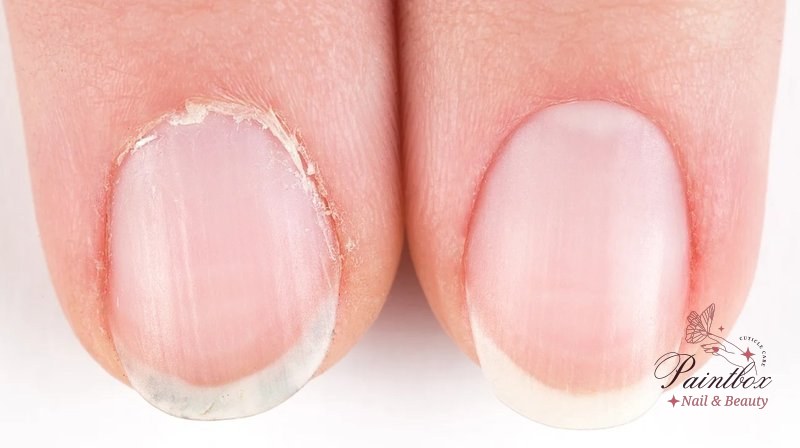
Safe methods for managing overgrown cuticles
When cuticles grow, it is important to manage them safely without causing damage. The safest and most recommended method for dealing with overgrown cuticles is to gently push them back. This process helps to keep the nail plate clean and neat without compromising the protective barrier that the cuticle provides. Always use a soft, rubber-tipped pusher or an orange stick after soaking your hands in warm water or applying a cuticle remover.
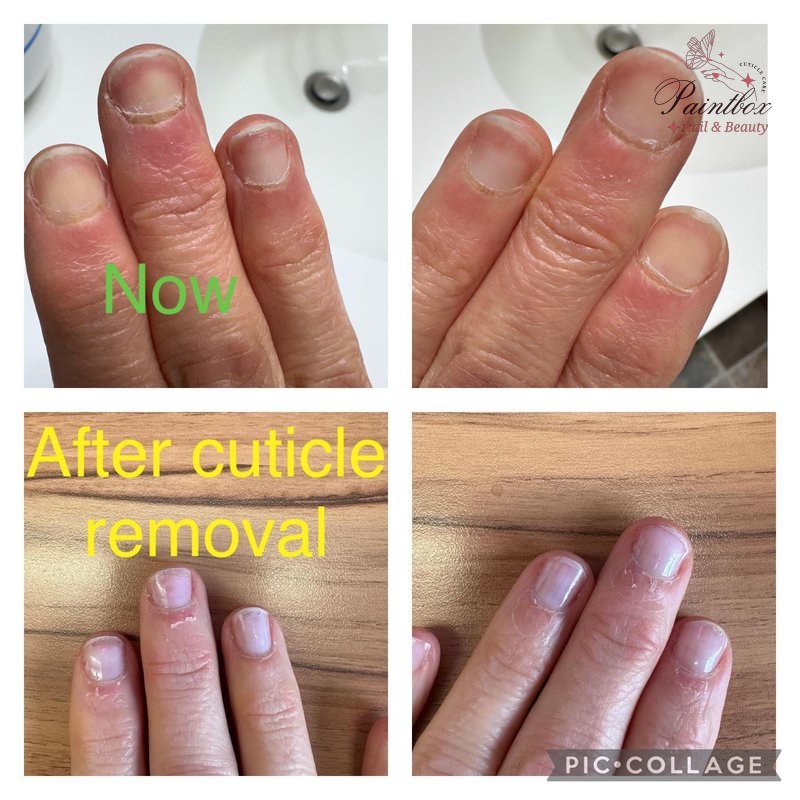
Never cut your cuticles. As discussed, cutting them can lead to infections, irritation, and even encourage them to grow back thicker and faster. If you find your cuticles are particularly stubborn or you’re unsure about the best approach, consider visiting a professional nail technician at a salon like Paintbox Nail & Beauty. They can provide expert care and guidance, ensuring your cuticles are managed safely and effectively.
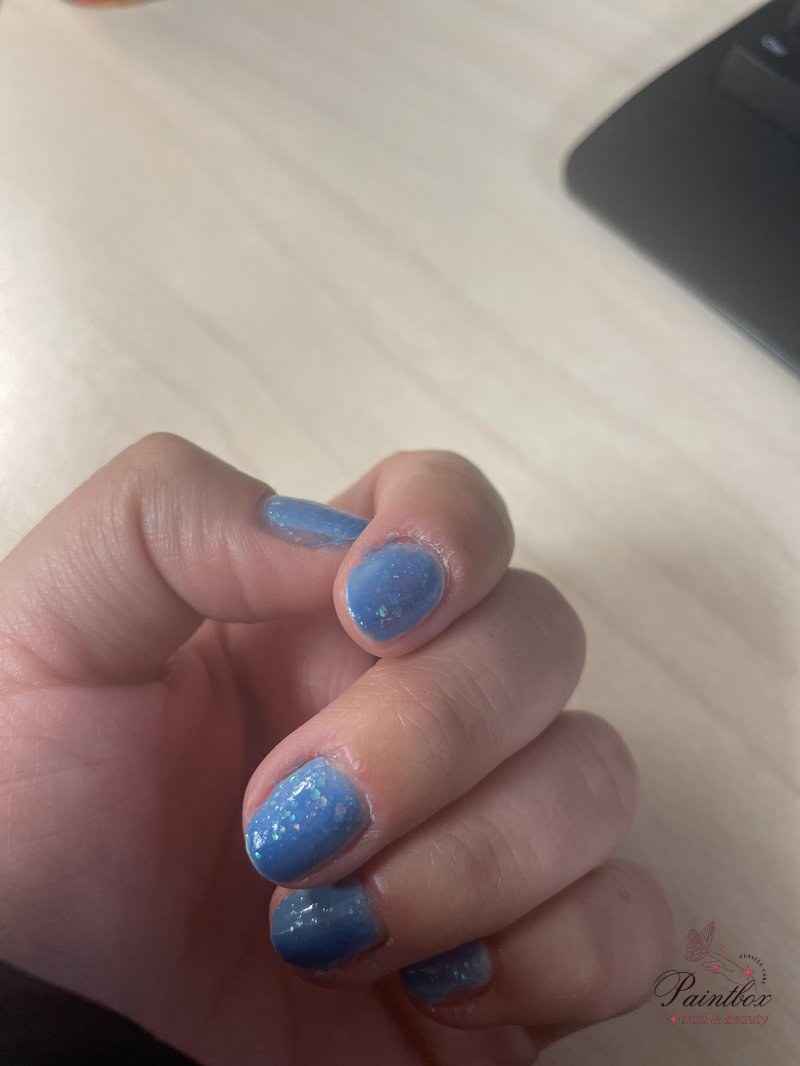
Another effective method is to use a gentle cuticle remover. These products typically contain ingredients that soften the dead skin cells, making them easier to push back without force. Apply the remover, let it sit for a few minutes as directed, and then gently push back the cuticles. This combination of softening and gentle pushing is much safer than cutting and helps maintain the health of your nails.
Frequently asked questions about cuticles
Do cuticles stop growing if you cut them?
No, cutting cuticles does not stop them from growing. In fact, cutting them often stimulates them to grow back thicker and faster as a protective response by your body. It is always best to avoid cutting cuticles to prevent this.
Is it bad to have overgrown cuticles?
While not inherently “bad,” excessively overgrown cuticles can make your nails appear untidy and can sometimes make manicures more challenging. However, the biggest concern arises if they tear, which can lead to infection.
How can I make my cuticles smaller naturally?
You can make your cuticles appear smaller naturally by regularly moisturizing them with cuticle oil and gently pushing them back with an orange stick after a shower or soak. Consistent hydration keeps them supple.
What happens if you never push back your cuticles?
If you never push back your cuticles, they might grow further onto the nail plate, making your nails look shorter and possibly affecting the longevity of your polish. However, it’s generally not harmful unless they become excessively dry or torn.
Should I cut my cuticles or push them back?
You should always push your cuticles back, never cut them. Cutting cuticles removes a vital protective barrier, increasing your risk of infection and potentially causing them to grow back thicker.
Conclusion
Understanding why cuticles grow is crucial for maintaining healthy, beautiful nails. We’ve learned that cuticles are not just aesthetic nuisances but vital protective barriers for your nail matrix, shielding it from infection and damage. While they naturally grow as part of your body’s defense mechanism, factors like poor nail care and environmental conditions can influence their appearance and rate of growth.
By embracing proper cuticle care—focusing on consistent hydration with quality cuticle oils and gently pushing them back instead of cutting—you can ensure your nails remain strong and healthy. This approach not only prevents common nail problems but also contributes to the overall beauty of your hands. If you are struggling with persistent cuticle issues or simply want expert advice and care, visit Paintbox Nail & Beauty. We are dedicated to helping you achieve and maintain optimal nail health. Learn more about why do cuticles grow and how to care for them by visiting our detailed guide on why do cuticles grow.