Understanding how often to push back cuticles for optimal nail health
Maintaining healthy and beautiful nails often involves proper cuticle care. A common question many people have is: how often to push back cuticles? Generally, it is recommended to push back your cuticles no more than once a week. This gentle practice helps maintain a neat nail appearance and promotes healthy nail growth. At Paintbox Nail & Beauty, we believe in educating our clients on best practices for at-home nail care to complement their professional treatments. Properly cared-for cuticles contribute significantly to the overall aesthetic and health of your nails, preventing issues like hangnails and dryness. Understanding the right frequency and technique is key to achieving salon-quality results at home.
The importance of understanding cuticle care frequency
Understanding the correct frequency for cuticle care is vital for maintaining healthy nails and preventing potential damage. While pushing back cuticles can create a cleaner, more elongated nail bed, overdoing it can lead to problems. The cuticle acts as a protective barrier against bacteria and fungi, sealing the area where the new nail grows. Disrupting this barrier too often or too aggressively can compromise your nail’s natural defense system, making it susceptible to infections.
Establishing a consistent and gentle routine for how often to push back cuticles helps promote healthy nail growth and a polished look. Many people find that incorporating this step into their weekly manicure routine works best. This allows enough time for the cuticles to naturally recede slightly, making the process easier and less invasive. Regular, gentle care is always better than infrequent, aggressive attempts.
Establishing a weekly routine for cuticle maintenance
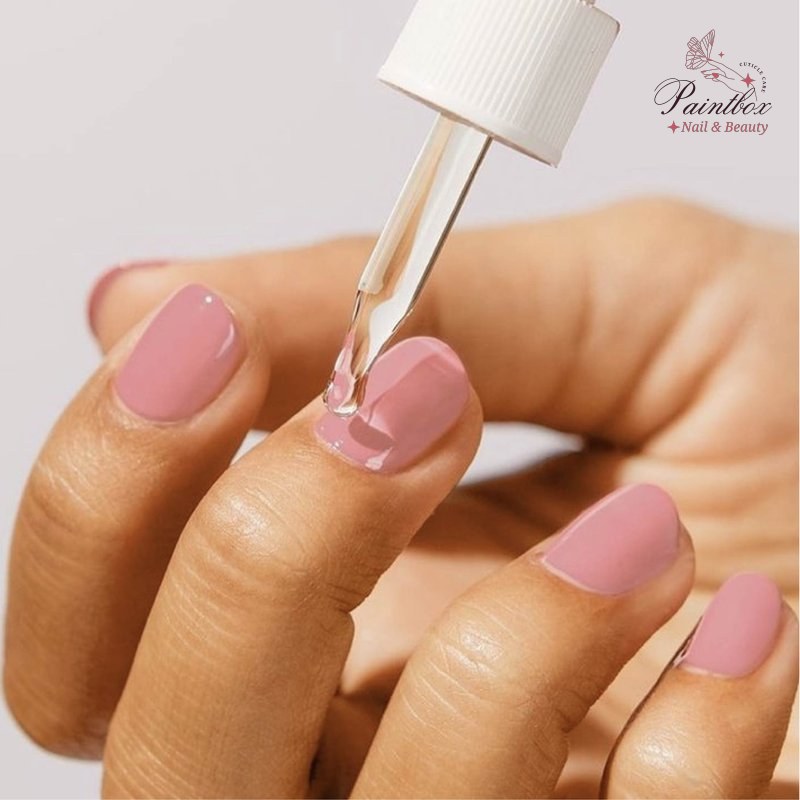
For most individuals, establishing a weekly routine is the ideal approach for cuticle maintenance. Pushing back your cuticles once a week, perhaps during your regular manicure or self-care ritual, is generally sufficient. This frequency allows you to keep the cuticles neat without over-manipulating them, which can lead to irritation or injury. Always ensure your cuticles are softened before attempting to push them back, as this makes the process much gentler and more effective.
Incorporating a high-quality cuticle oil or remover into your weekly routine can significantly enhance the results. Apply the product generously and let it sit for a few minutes to deeply moisturize and loosen the cuticles. This preparation is crucial for a smooth and safe process. Regular application of cuticle oil, even on days you don’t push them back, will keep them supple and less prone to drying or cracking.
Recognizing signs of over-pushing cuticles
It is important to recognize the signs of over-pushing your cuticles to avoid damage and infection. If you push them back too frequently or too aggressively, you might notice redness, swelling, or tenderness around the nail bed. These are clear indicators that you are irritating the delicate skin. In some cases, tiny cuts or abrasions can appear, which serve as entry points for bacteria and fungi, leading to painful infections like paronychia. It’s crucial to stop and allow your cuticles to heal if you observe any of these symptoms.
Another sign of over-pushing is excessively dry or cracked cuticles. While the intention is to tidy them, aggressive pushing can strip away natural oils, leaving them vulnerable. If your cuticles are inflamed, cracked, or infected, avoid pushing them and consult a dermatologist or nail technician. For those with sensitive skin, it might be wise to push back cuticles less frequently, perhaps every 10-14 days, and use extra gentle products. Always prioritize the health of your nails over achieving an overly perfect look.
Best practices for pushing back cuticles safely and effectively
When it comes to maintaining healthy nails, knowing how often to push back cuticles is just one piece of the puzzle. Equally important are the techniques you use to ensure safety and effectiveness. Incorrect methods can do more harm than good, leading to irritation, infection, or damage to your nail plate. Always prioritize gentle handling and proper tools to protect this delicate area. By following a few best practices, you can achieve neat, healthy cuticles without compromising their protective function. This approach not only improves the appearance of your nails but also supports their long-term health and strength.
Using the right tools and products is fundamental to successful cuticle care. Avoid sharp metal tools unless you are a trained professional, as they can easily cause injury. Opt for softer alternatives and always ensure your tools are clean and sterilized. Preparing your cuticles with a softening agent is also a non-negotiable step. This ensures that the cuticle tissue is pliable and less resistant to being pushed back, minimizing the risk of tearing or stretching the skin. These small but significant steps make a big difference in the outcome.
Choosing the right tools and products
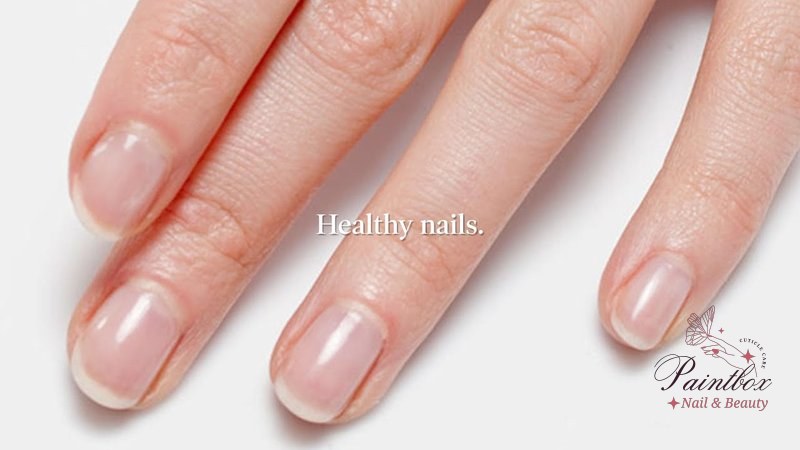
Selecting the appropriate tools and products is crucial for safe and effective cuticle care. A high-quality cuticle pusher, typically made of rubber, wood, or a gentle metal, is essential. Wooden or rubber pushers are often recommended for beginners and those with sensitive cuticles due to their softer nature. Metal pushers can be effective but require a very light touch to avoid damaging the nail plate or cuticle. Always ensure your tools are clean and sanitized before each use to prevent bacterial contamination.
In addition to a pusher, a good cuticle remover or softener is indispensable. These products are formulated to gently break down dead skin cells and soften the cuticles, making them easier to push back without force. Look for removers that contain nourishing ingredients like vitamin E or jojoba oil to keep the skin hydrated. After pushing, follow up with a rich cuticle oil to moisturize and protect the area. Consistent use of these products will dramatically improve the health and appearance of your cuticles.

Step-by-step guide to pushing back cuticles
Achieving perfectly pushed-back cuticles involves a few simple, yet critical, steps. First, ensure your hands and nails are clean. Then, soak your fingertips in warm, soapy water for 5-10 minutes or apply a cuticle remover/softener and let it sit according to product instructions. This step is vital to soften the cuticles, making them pliable and easy to manipulate. Skipping this can lead to tearing or stretching of the delicate skin, so never rush it. Softening is the foundation of a good cuticle push.
Next, gently use a cuticle pusher to push back the softened skin from the nail plate. Start at the base of the nail and use small, circular motions, working your way around the cuticle. Be firm but exceedingly gentle; you should never feel pain or discomfort. The goal is to gently persuade the cuticle back, not to force it. Avoid pushing too far down into the nail matrix, as this can damage the growing nail. Once you’ve pushed them back, you can carefully remove any excess dead skin with a cuticle nipper, but only if absolutely necessary and with extreme caution. Finish by applying a nourishing cuticle oil to rehydrate and protect the area.

Common misconceptions about cuticle care
Many myths and misconceptions surround cuticle care, often leading to improper techniques and potential nail damage. One of the most prevalent is the idea that cuticles should be cut or aggressively trimmed. While some excess skin might be carefully trimmed by a professional, the cuticle itself serves a crucial protective role and should generally not be cut. Understanding how often to push back cuticles correctly involves distinguishing between healthy care and harmful practices.
Another common misconception is that pushing back cuticles is purely for aesthetic reasons. While it does contribute to a neater appearance, proper cuticle care also supports nail health by preventing hangnails and ensuring better adhesion for nail products. At Paintbox Nail & Beauty, we emphasize gentle care to protect the integrity of your nail bed. Dispelling these myths is essential for anyone serious about maintaining strong, healthy nails.

The dangers of cutting your cuticles
Cutting your cuticles, especially without professional training, poses significant risks to your nail health. The cuticle is a natural barrier that protects the nail matrix (where the nail grows from) from bacteria, fungi, and other pathogens. When you cut this protective skin, you create an open wound, making your nail bed highly vulnerable to infections. These infections can be painful, unsightly, and in severe cases, can lead to permanent damage to your nail plate or even systemic issues.
Beyond the risk of infection, cutting cuticles can also lead to other problems like hangnails, increased dryness, and uneven nail growth. When cut, the cuticle often grows back thicker, harder, and more prone to tearing, creating a cycle of needing to cut them again. This can weaken the nails over time and detract from their overall appearance. It is always safer to gently push them back rather than resorting to cutting. A well-hydrated and gently pushed-back cuticle looks just as neat, if not neater, without the associated risks.

Addressing common cuticle problems
Many common cuticle problems can be effectively managed with proper care and attention. Dry, cracked cuticles are often a result of dehydration, harsh soaps, or exposure to environmental elements. The best way to address this is through consistent moisturizing with cuticle oil or balm. Apply these products several times a day, especially after washing hands, to keep the skin supple and prevent cracking. Hydration is key to preventing the need for excessive pushing or cutting.
Hangnails are another frequent issue, typically caused by dry, ragged cuticle skin. Instead of pulling or tearing them, which can worsen the problem and lead to infection, gently clip them with sterilized nippers. Then, immediately apply cuticle oil to the area to soothe and moisturize. For inflamed or infected cuticles, it’s crucial to avoid any manipulation and seek professional advice. Sometimes, a simple adjustment to your routine of how often to push back cuticles or switching to gentler products can resolve these issues before they become severe.

Maintaining long-term cuticle and nail health
Achieving beautiful nails isn’t just about manicures; it’s about consistent, long-term care for your cuticles and nail beds. Understanding how often to push back cuticles is a fundamental aspect of this routine, but it’s part of a larger picture. Healthy cuticles are essential for protecting your nails from infection and promoting strong, vibrant growth. Incorporating daily habits that nourish and protect your nails will yield impressive results over time, making your hands look their best.
Beyond pushing back cuticles, consider your overall nail hygiene and lifestyle choices. Factors like diet, hydration, and protection from harsh chemicals all play a role in nail health. Investing in quality products and seeking professional advice when needed can make a significant difference. By adopting a holistic approach, you can ensure your nails remain strong, healthy, and beautiful for years to come, truly reflecting well-maintained hands.

Daily habits for stronger nails and cuticles
Incorporating daily habits can significantly contribute to stronger nails and healthier cuticles. One of the simplest yet most effective practices is regular moisturizing. Apply cuticle oil or hand cream several times a day, especially after washing your hands. This keeps the skin around your nails hydrated, preventing dryness, cracking, and hangnails, which in turn reduces the need for aggressive cuticle pushing. Hydrated cuticles are more pliable and easier to manage.
Protecting your hands is another crucial daily habit. Wear gloves when doing household chores involving water, detergents, or chemicals. These substances can severely dry out and damage your cuticles and nails. Additionally, avoid using your nails as tools (e.g., opening cans, scraping labels) as this can lead to breakage and weakening of the nail plate. A balanced diet rich in vitamins and minerals like biotin, zinc, and iron also supports overall nail health from within. These small, consistent efforts pay off greatly in the long run.

When to seek professional nail care
While at-home cuticle care is beneficial, there are times when seeking professional nail care is highly recommended. If you notice persistent redness, swelling, pus, or severe pain around your cuticles, it could indicate an infection. In such cases, a professional nail technician or dermatologist can accurately diagnose the issue and recommend appropriate treatment. Attempting to treat an infection at home can worsen the condition and delay healing.
Furthermore, if you struggle with very thick, overgrown, or stubborn cuticles that are difficult to manage with gentle at-home methods, a professional can provide a more thorough and safe treatment. Experienced technicians at Paintbox Nail & Beauty have the expertise and sterilized tools to carefully push back and tidy your cuticles without causing damage. Regular professional manicures can also help maintain overall nail health, providing a deeper clean and personalized care that supports your at-home efforts.

Frequently asked questions about cuticle care
Should I push back my cuticles every day?
No, you should not push back your cuticles every day. Over-manipulating your cuticles can lead to irritation, dryness, or even infection. Once a week is generally sufficient for most individuals to maintain neat and healthy cuticles.
What happens if you never push back your cuticles?
If you never push back your cuticles, they might become overgrown, making your nails appear shorter and less neat. While not pushing them back won’t necessarily harm your nails, it can lead to issues like hangnails and make polish application more challenging.
Is it better to push or cut cuticles?
It is generally better and safer to push back your cuticles rather than cutting them. Cutting cuticles can remove the natural protective barrier, making your nails vulnerable to infections and damage. Gentle pushing maintains their protective function.
Can pushing back cuticles damage my nails?
Pushing back cuticles can damage your nails if done too aggressively, too frequently, or with improper tools. Always use gentle pressure, soften cuticles first, and use appropriate tools to prevent injury to the nail plate or surrounding skin.

Conclusion
Understanding how often to push back cuticles is fundamental to maintaining not just beautiful but also healthy nails. We’ve explored that the optimal frequency is typically once a week, emphasizing the importance of gentle techniques and proper tools. Over-pushing or cutting cuticles can lead to infections and damage, undermining your nail health. By adopting a consistent, gentle routine, using quality cuticle products, and recognizing when to seek professional help, you can ensure your nails remain strong and aesthetically pleasing.
This comprehensive guide aims to equip you with the knowledge to care for your cuticles effectively, avoiding common pitfalls and promoting long-term nail vitality. Remember, healthy cuticles are the foundation for healthy nails. For personalized advice and professional treatments that complement your at-home care, we invite you to visit Paintbox Nail & Beauty. Let us help you achieve and maintain the beautiful, healthy nails you deserve. Learn more about effective cuticle care and nail enhancement techniques by exploring our services.