
Cuticle Moisturizers are Designed for all Except the True Cuticle
When it comes to nail care, understanding the purpose of each product is crucial for maintaining healthy and beautiful hands. Many people diligently use cuticle moisturizers, but a common misconception often leads to misapplication. Cuticle moisturizers are designed for all except the true cuticle itself. At Paintbox Nail & Beauty, we believe in educating our clients on the proper techniques and products for optimal nail health. This guide will clarify the distinction between various nail components and explain why specialized moisturizers target specific areas around your nails, ensuring you get the most out of your nail care routine.
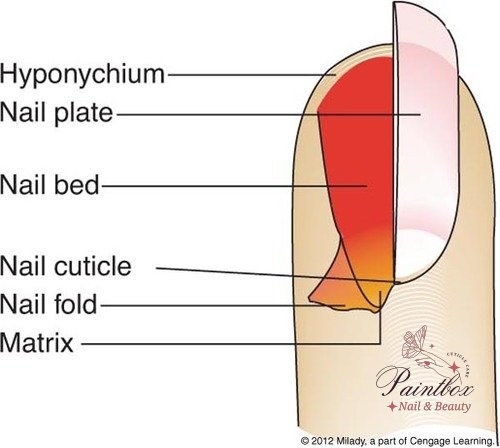
The term “cuticle” is often used broadly, but in nail anatomy, it refers specifically to the thin layer of dead tissue that adheres to the nail plate. This small, often misunderstood part of the nail plays a protective role, sealing the area where the nail emerges from the skin. While vital for preventing infections, the true cuticle is not the primary target for moisturizing products. Instead, these formulations are crafted to nourish and protect the living skin surrounding the nail, which frequently suffers from dryness and damage. By understanding these nuances, you can enhance your nail care regimen and achieve noticeably healthier nails.
Understanding Nail Anatomy: Beyond the Surface
A comprehensive understanding of nail anatomy is essential to appreciate why cuticle moisturizers are designed for specific areas around the nail plate. The nail unit consists of several interconnected parts, each playing a vital role in nail health and growth. While we often focus on the visible nail plate, the surrounding skin structures are equally, if not more, important for maintaining strong, flexible nails and preventing issues like dryness, hangnails, and infections. Knowing these distinctions helps in applying products correctly for maximum benefit.
Let’s delve into the key components that constitute the nail unit. We will clarify the roles of the eponychium, lateral sidewalls, and hyponychium, explaining why these areas benefit most from moisturizing treatments. This detailed breakdown will illustrate why targeting the true cuticle with moisturizers is often unnecessary and can even be counterproductive in some cases. Properly identifying these areas empowers you to provide tailored care, ensuring your hands always look their best.
The Eponychium and its Protective Role
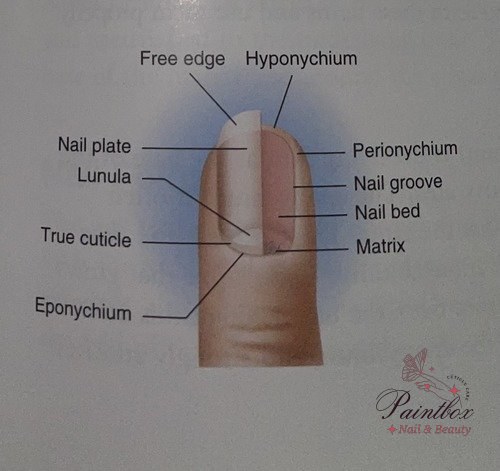
The eponychium, often mistakenly called the cuticle, is the living skin that folds at the base of the nail plate, where the nail emerges. This crucial structure forms a protective seal, preventing bacteria and other pathogens from entering the nail matrix, which is responsible for nail growth. Unlike the true cuticle, which is dead tissue, the eponychium is living skin and requires moisture to remain soft and flexible. When the eponychium becomes dry or cracked, it can lead to painful hangnails and increase the risk of infection.
Cuticle moisturizers, whether in oil or cream form, are primarily designed to hydrate and soften the eponychium. Regular application helps keep this protective seal intact, promoting healthier nail growth and preventing common nail problems. By nourishing the eponychium, these products contribute to the overall strength and appearance of your nails. Neglecting this area can lead to a host of issues, making proper care an essential part of any nail regimen.
Lateral Sidewalls: Often Overlooked but Crucial
The lateral sidewalls are the folds of skin that run along the sides of the nail plate, where the nail meets the surrounding skin. These areas, much like the eponychium, are prone to dryness, cracking, and the development of hangnails due to their exposure to daily activities and environmental factors. They play a significant role in protecting the nail bed and keeping the nail plate securely in place. When the lateral sidewalls are not adequately moisturized, they can become rigid and tear, causing discomfort and potential entry points for bacteria.
Many cuticle moisturizers are designed to target these lateral sidewalls, providing much-needed hydration and nourishment. Regular application helps to keep the skin supple, reducing the likelihood of tears and hangnails. By focusing on these often-overlooked areas, you can ensure a comprehensive approach to nail care, promoting healthier skin around the entire nail perimeter. Proper care of the lateral sidewalls contributes to a neat, well-maintained appearance, enhancing the overall beauty of your hands.
The Hyponychium: A Natural Barrier
The hyponychium is the thickened layer of skin located directly beneath the free edge of the nail, where the nail plate detaches from the nail bed. It serves as a protective barrier, preventing infections from entering the nail bed from the underside of the nail. While the hyponychium is a vital part of the nail unit, its primary function is protection rather than requiring external moisturization in the same way the eponychium or lateral sidewalls do. Its location and natural composition mean it typically doesn’t suffer from the same dryness issues.
Therefore, when we say cuticle moisturizers are designed for all except one area, the hyponychium is often the implied exclusion in the context of direct moisturizing needs. While general hand moisturizers might offer some incidental benefit, specific cuticle products are not formulated to target this area directly. Its resilience and natural protective qualities mean it doesn’t require the same intense hydration as the surrounding living skin, reinforcing the idea that specialized products are for specific purposes.
Why the True Cuticle Doesn’t Need Moisturizing
The true cuticle is a thin layer of dead, colorless tissue that is firmly attached to the surface of the nail plate, extending from the eponychium. Its primary function is to create a seal, protecting the nail matrix from bacteria and fungi. Because the true cuticle consists of dead cells, it does not have blood vessels or nerve endings, and therefore cannot absorb moisture in the same way living skin can. Attempting to moisturize the true cuticle directly is largely ineffective and can even lead to other issues if not done properly.
This dead tissue should be gently pushed back, not cut, to maintain the protective seal and prevent damage to the living eponychium. While hydration of the surrounding skin is crucial for a healthy appearance, directly applying cuticle moisturizers to the dead cuticle tissue itself offers no real benefit. Understanding this distinction is key to a truly effective and safe nail care routine, ensuring that your efforts are directed towards the parts of your nail unit that genuinely require and can benefit from moisturizing.
The Role of Cuticle Removers Versus Moisturizers
The distinction between cuticle removers and cuticle moisturizers is often a source of confusion, but understanding their different functions is vital for proper nail care. Cuticle removers are specifically formulated to soften and dissolve the dead tissue of the true cuticle, making it easier to gently push back from the nail plate. These products typically contain alkaline ingredients that break down protein, effectively preparing the nail area for a clean, manicured look. They are designed for periodic use, not daily application, to avoid over-processing the delicate skin.
In contrast, cuticle moisturizers are designed to nourish and hydrate the living skin surrounding the nail, specifically the eponychium and lateral sidewalls. Their purpose is to keep this living skin supple, prevent dryness, and promote overall nail health. Using a moisturizer on the dead cuticle tissue will not achieve the desired effect of softening or removing it, as it lacks the necessary enzymes or dissolving agents. Instead, it’s about nourishing the areas that can absorb and benefit from hydration, ensuring the protective barriers remain strong and healthy.
Protecting the Nail Matrix from Damage
The nail matrix, located at the base of the nail under the eponychium, is the living tissue responsible for producing the nail plate. It is a highly sensitive area, and any damage to it can result in irregularities or permanent changes in nail growth. This is precisely why proper cuticle care, which involves gently pushing back the true cuticle rather than cutting it, is so important. Cutting the true cuticle can easily injure the eponychium, which in turn can expose the delicate nail matrix to trauma or infection.
While cuticle moisturizers are designed for all living skin around the nail, they indirectly protect the nail matrix by maintaining the health and integrity of the eponychium. A well-hydrated eponychium acts as a robust barrier, safeguarding the underlying matrix from external threats and physical damage. By ensuring the living skin is supple and strong, these moisturizers help create an optimal environment for healthy nail growth, preventing issues that could arise from a compromised protective seal. This holistic approach ensures long-term nail health and strength.
Choosing the Right Cuticle Moisturizer
Selecting the appropriate cuticle moisturizer is crucial for achieving optimal nail health and appearance. With a plethora of options available, ranging from oils to creams and balms, knowing what to look for can make a significant difference. The best cuticle moisturizers are designed for all the living skin around your nail plate, providing essential hydration and nutrients to combat dryness, prevent hangnails, and promote overall nail strength. Factors such as ingredients, texture, and application method all play a role in how effective a product will be for your specific needs.
At Paintbox Nail & Beauty, we emphasize the importance of using high-quality products that truly nourish the skin. Look for formulations rich in emollients, humectants, and vitamins that support skin barrier function and retain moisture. Understanding the different types of moisturizers and their benefits will help you make an informed choice, ensuring your hands and nails receive the best possible care. Remember, consistency in application is just as important as the product itself for visible and lasting results.
Ingredients to Look for in Effective Moisturizers
When selecting a cuticle moisturizer, certain ingredients stand out for their ability to provide superior hydration and nourishment to the living skin around your nails. Look for products containing a blend of emollients, humectants, and occlusives. Emollients like Jojoba oil, almond oil, and shea butter help to soften and smooth the skin, improving its texture. Humectants such as glycerin and hyaluronic acid draw moisture from the air into the skin, ensuring deep hydration. Occlusives, like beeswax or lanolin, create a protective barrier to lock in moisture.
Additionally, beneficial vitamins and antioxidants, such as Vitamin E and C, can help protect the skin from environmental damage and promote healing. Ingredients like tea tree oil or lavender can also offer soothing and antimicrobial properties. Avoid products with harsh chemicals, strong fragrances, or alcohol, which can further dry out and irritate the delicate skin. By focusing on these key ingredients, you can ensure your cuticle moisturizer truly supports the health of your eponychium and lateral sidewalls.

Different Forms: Oils, Creams, and Balms
Cuticle moisturizers come in various forms, each offering unique benefits and application experiences. Cuticle oils are typically lightweight and absorb quickly, making them ideal for frequent, on-the-go application. They often contain a blend of natural oils that deeply penetrate the skin, providing intense hydration to the eponychium and lateral sidewalls. Oils are excellent for daily maintenance and for those who prefer a less greasy feel.
Cuticle creams, on the other hand, tend to be richer and thicker than oils. They offer a more substantial barrier, providing long-lasting moisture and protection, especially for severely dry or cracked cuticles. Creams are perfect for overnight treatments or when your hands need extra conditioning. Balms are usually the thickest option, offering a highly concentrated dose of hydration and protection. They are excellent for intense repair and for creating a protective seal against harsh environmental elements. Each form of cuticle moisturizer is designed for all living skin around the nail, catering to different preferences and levels of dryness.

Tips for Effective Cuticle Care
Effective cuticle care extends beyond simply applying a moisturizer; it involves a holistic approach to maintaining the health of your entire nail unit. Regular, gentle attention to the eponychium and lateral sidewalls is crucial for preventing dryness, hangnails, and promoting strong, beautiful nails. By incorporating a few key practices into your routine, you can significantly improve the condition of your cuticles and surrounding skin, ensuring they remain soft, supple, and healthy. Proper care not only enhances the appearance of your nails but also protects against potential infections.
Consistency is paramount when it comes to any beauty regimen, and cuticle care is no exception. Developing a routine that you can stick to will yield the best results. From how you apply your chosen products to daily habits that safeguard your hands, every step contributes to the overall well-being of your nails. These tips are designed to guide you towards a comprehensive and effective cuticle care strategy, helping you to achieve and maintain beautifully healthy nails. Paintbox Nail & Beauty is committed to empowering you with the knowledge for optimal nail health.
Consistent Application for Best Results
Consistency is the cornerstone of effective cuticle care. Applying your chosen cuticle moisturizer regularly, ideally multiple times a day, is far more beneficial than sporadic, intensive treatments. Just as you moisturize your face or hands daily, the living skin around your nails requires continuous hydration to remain healthy and resilient. Dryness can quickly set in, leading to brittle cuticles, hangnails, and a compromised protective barrier. Making cuticle moisturizing a routine habit ensures these areas stay supple and strong.
Incorporate cuticle moisturizer into your daily activities, such as after washing your hands, before bed, or even while watching TV. Keep a small tube or bottle in your purse, at your desk, or by your bedside table to make application convenient. Over time, consistent use will visibly improve the condition of your eponychium and lateral sidewalls, reducing the incidence of hangnails and promoting overall healthier-looking nails. Remember, cuticle moisturizers are designed for all areas of living skin around your nail, so spread the love generously.

Gentle Pushing, Never Cutting
One of the most crucial rules in proper cuticle care is to gently push back the true cuticle, never cut it. The true cuticle, as previously discussed, is a thin layer of dead skin that protects the nail matrix. Cutting this tissue can easily damage the living eponychium underneath, leading to pain, inflammation, and an increased risk of infection. When the eponychium is compromised, the natural seal that protects the nail matrix is broken, making your nails vulnerable to bacteria and fungi.
Instead, after applying a cuticle remover or after soaking your hands in warm water, use a dedicated cuticle pusher (either a rubber-tipped tool or an orange wood stick) to gently nudge the dead cuticle back from the nail plate. This action tidies the appearance of your nails without causing damage to the vital protective skin. Follow up with your preferred cuticle moisturizer to hydrate the living eponychium and lateral sidewalls. This method ensures that cuticle moisturizers are designed for all the right areas, maintaining the integrity and health of your nail unit.
Protecting Your Hands from Harsh Chemicals
Exposure to harsh chemicals is one of the most common culprits behind dry, damaged cuticles and unhealthy nails. Cleaning products, detergents, and even certain hand soaps can strip the natural oils from your skin, leaving the eponychium and lateral sidewalls parched and vulnerable. This constant exposure can lead to cracked skin, hangnails, and can make your nails brittle, undermining all your efforts with cuticle moisturizers. Protecting your hands is a non-negotiable step in maintaining optimal nail health.
Always wear gloves when performing household chores, washing dishes, or handling any chemicals. Choose gentle, moisturizing hand soaps and sanitizers that are free from harsh alcohol or sulfates. After any exposure to water or chemicals, reapply your cuticle moisturizer promptly. By creating a protective barrier and replenishing moisture, you ensure that cuticle moisturizers are designed for all areas of your living skin, effectively combating the drying effects of daily life. This proactive approach safeguards your hands and helps preserve their beauty.

| Nail Component | Description | Benefits of Moisturizing | Why Cuticle Moisturizers Are Designed for All Except |
|---|---|---|---|
| Eponychium | Living skin at the base of the nail, forming a protective seal. | Keeps skin soft, flexible; prevents hangnails and infection. | Targeted for direct moisturization. |
| Lateral Sidewalls | Folds of skin along the sides of the nail plate. | Hydrates and softens skin; reduces cracks and hangnails. | Targeted for direct moisturization. |
| True Cuticle | Thin layer of dead tissue adhering to the nail plate. | None (dead tissue, does not absorb moisture). | Not designed for direct moisturization; should be pushed back. |
| Hyponychium | Thickened skin beneath the free edge of the nail. | Minimal direct need; acts as a protective barrier. | Not primarily targeted; general hand moisturizer might offer incidental benefit. |
Frequently Asked Questions About Cuticle Care
Are cuticle oils better than creams?
Neither cuticle oils nor creams are inherently “better” than the other; their effectiveness depends on your personal preference and specific needs. Oils absorb quickly for frequent hydration, while creams offer a richer, longer-lasting moisture barrier, ideal for very dry skin or overnight treatments. Many people find a combination of both provides the most comprehensive care for the living skin around their nails.
How often should I use cuticle moisturizer?
For best results, you should use cuticle moisturizer multiple times a day, especially after washing your hands or any activity that might dry them out. Consistent application helps keep the eponychium and lateral sidewalls supple, preventing dryness, cracking, and hangnails. Daily use ensures that cuticle moisturizers are designed for all your living nail surrounding skin, providing continuous protection and nourishment.
Can I use regular hand lotion on my cuticles?
While regular hand lotion can offer some hydration, it’s generally not as effective as a dedicated cuticle moisturizer. Cuticle-specific products are formulated with higher concentrations of beneficial oils, vitamins, and humectants designed to penetrate and nourish the delicate skin around your nails more deeply. They target the living skin around the nail, not the true cuticle itself, ensuring specialized care for these vulnerable areas.
Why do I get so many hangnails?
Frequent hangnails often result from dry, brittle skin around the eponychium and lateral sidewalls. Lack of consistent moisturization, exposure to harsh chemicals, or habitually picking at your cuticles can all contribute. Regular application of a quality cuticle moisturizer, gentle pushing back of the true cuticle, and protecting your hands from drying agents are key steps to prevent hangnails. These moisturizers are designed for all the living parts of your nail to combat this common issue.
Is it bad to cut your cuticles?
Yes, it is generally considered bad practice to cut your cuticles, specifically the true cuticle. Cutting this dead tissue can damage the underlying living eponychium, which serves as a vital protective seal for the nail matrix. This can lead to pain, inflammation, and increase the risk of infections. Instead, gently push back the true cuticle after softening it, ensuring cuticle moisturizers are designed for all the living areas you want to protect and nourish.

Conclusion
In conclusion, understanding that cuticle moisturizers are designed for all except the true cuticle is a fundamental step toward achieving truly healthy and beautiful nails. We’ve explored the intricate anatomy of the nail unit, clarifying the roles of the eponychium, lateral sidewalls, and hyponychium, and highlighting why these living skin areas are the primary beneficiaries of moisturizing products. The true cuticle, being dead tissue, does not absorb moisture, and attempts to moisturize it directly are largely ineffective, while cutting it can be detrimental to nail health.
By focusing your efforts on hydrating the living skin around your nails, choosing high-quality products with beneficial ingredients, and adopting consistent care practices like gentle pushing and hand protection, you can prevent dryness, hangnails, and promote strong, resilient nails. This informational guide has aimed to demystify cuticle care, providing you with the knowledge to make informed decisions for your nail health. For more insights and professional nail services, visit Paintbox Nail & Beauty. Discover how you can maintain vibrant, healthy nails by understanding why cuticle moisturizers are designed for all except that specific part of your nail. Let us help you achieve the beautiful hands you deserve!