
Why your cuticles are so dry and how to effectively treat them
If you’re wondering, “why are my cuticles so dry?” the answer often lies in a combination of environmental factors, habits, and a lack of proper hydration and care. Dry cuticles can be uncomfortable, unsightly, and even painful, leading to peeling, cracking, and hangnails. At Paintbox Nail & Beauty, we understand the frustration that comes with struggling with dry cuticles and are here to help you uncover the root causes and implement effective solutions for healthier, happier nails.
The delicate skin around your nails, known as the cuticle, serves as a protective barrier against bacteria and infection. When this barrier becomes compromised due to dryness, it can lead to a host of problems. Understanding what contributes to this dryness is the first step toward achieving soft, supple cuticles. We will explore common culprits and offer practical, actionable advice to transform your nail care routine.
Common causes making your cuticles dry and peeling
Understanding the reasons behind your cuticles dry and peeling is crucial for effective treatment. Several factors can contribute to this common issue, ranging from everyday habits to environmental conditions. Identifying these causes can help you make informed changes to your routine and protect your cuticles.
One of the most frequent culprits is frequent hand washing, especially with harsh soaps that strip natural oils from the skin. Similarly, excessive use of hand sanitizers, which often contain high levels of alcohol, can severely dehydrate the cuticles. Exposure to cold weather and low humidity also plays a significant role in drawing moisture out of the skin, leaving cuticles feeling tight and cracked.
Environmental factors often dry out your cuticles
The environment around you significantly impacts the moisture levels of your cuticles. Cold weather, particularly during winter months, is notorious for causing extremely dry cuticles and hangnails. The dry air and lower humidity lead to increased transepidermal water loss, meaning moisture evaporates more quickly from your skin. This constant exposure to dry air can leave your cuticles parched and brittle, making them prone to cracking and peeling.
Beyond cold weather, frequent contact with water and harsh chemicals can also dry out your cuticles. Activities like washing dishes without gloves, prolonged swimming, or using household cleaning products can strip the natural oils that protect your cuticles. This depletion of essential moisture compromises the skin’s barrier, making it difficult for cuticles to retain hydration and leading to noticeable dryness and discomfort. Recognizing these environmental stressors is the first step toward implementing protective measures to keep your cuticles healthy and hydrated.
Daily habits can make your cuticles dry and cracked
Many of our daily habits, seemingly innocuous, can severely contribute to why your cuticles are so dry. Frequent hand washing, while essential for hygiene, can strip natural oils from your skin and cuticles, leaving them dehydrated. Using strong soaps or detergents without proper protection exacerbates this issue, leading to a feeling of tightness and eventual cracking.
Another common habit that damages cuticles is picking or biting at them. This physical trauma not only introduces bacteria but also disrupts the delicate skin barrier, making your cuticles dry and cracked. Similarly, aggressively pushing back or cutting cuticles during manicures can cause micro-tears, which then struggle to retain moisture. Even the regular use of harsh nail polish removers, especially those containing acetone, can be incredibly drying to the surrounding skin. Understanding these habits is key to modifying your routine and promoting healthier cuticles.

Effective ways to fix dry cuticles and promote healing
Once you understand why your cuticles are so dry, the next step is learning how to fix dry cuticles effectively. There are several proven strategies and products that can help restore moisture, soothe irritation, and prevent future dryness. The key is consistency and choosing the right approach for your specific needs.
A multi-faceted approach often yields the best results, combining moisturizing, protecting, and gentle care. From daily hydration routines to more intensive treatments, there are solutions available to bring your cuticles back to a healthy state. Focus on replenishing lost moisture and strengthening the skin’s natural barrier.
Implement a consistent cuticle moisturizing routine
To effectively cure for dry cuticles, establishing a consistent moisturizing routine is paramount. Just like the skin on your face, your cuticles need regular hydration to stay soft and pliable. The most effective way to do this is by using a high-quality cuticle oil or balm several times a day. Look for products rich in nourishing ingredients such as jojoba oil, almond oil, vitamin E, and shea butter, as these penetrate deeply to provide lasting moisture and protection.
Apply a small drop of cuticle oil to each nail and gently massage it into your cuticles and the surrounding skin. This not only hydrates but also stimulates blood flow, promoting healthier nail growth. Make this a ritual, especially after washing your hands, before bed, and whenever your cuticles feel tight or dry. Regular application will dramatically improve the appearance and health of your cuticles, reducing the likelihood of them becoming dry and cracked.

Protect your cuticles from harsh elements and chemicals
Protecting your cuticles is just as important as moisturizing them, especially if you’re experiencing extremely dry cuticles and hangnails. One of the simplest yet most effective ways to do this is by wearing gloves when performing household chores, such as washing dishes, cleaning with harsh chemicals, or gardening. These activities expose your hands to detergents and elements that strip away natural oils and moisture, making your cuticles more susceptible to dryness and damage.
Furthermore, be mindful of your choice of hand soaps and sanitizers. Opt for gentle, moisturizing formulas that are free of harsh sulfates and high alcohol content. When using nail polish remover, choose acetone-free options as acetone is notoriously drying. During colder months, consider wearing gloves outdoors to shield your hands from cold, dry air. By creating a protective barrier, you can significantly reduce the impact of environmental stressors on your delicate cuticles, allowing them to heal and thrive.

Best treatment for dry cuticles at Paintbox Nail & Beauty
At Paintbox Nail & Beauty, we understand that finding the best treatment for dry cuticles requires a personalized approach. We offer specialized services and recommend premium products designed to rejuvenate and protect your delicate nail area. Our expert technicians are trained to assess your specific needs and provide solutions that go beyond temporary fixes, aiming for long-term cuticle health.
We focus on nourishing treatments that not only hydrate but also strengthen the skin barrier. Whether your cuticles are dry and cracked or simply need a boost of moisture, our range of services and product recommendations are tailored to deliver exceptional results. Discover how our professional care can transform your dry cuticles into soft, healthy, and resilient ones.
Professional manicures and cuticle care services
Investing in professional manicures and specialized cuticle care services is an excellent way to treat cracked cuticles and maintain overall nail health. At Paintbox Nail & Beauty, our skilled technicians provide meticulous care that addresses the root causes of dryness and damage. Our manicures include gentle cuticle pushing (never cutting, which can worsen dryness), exfoliation, and deep hydration treatments.
During a professional service, we use high-quality, nourishing products designed to infuse moisture back into your cuticles. This often involves rich oils, balms, and specialized creams applied with expert techniques to maximize absorption. Our technicians can also offer personalized advice on at-home care, ensuring you maintain the benefits between appointments. Regular professional care helps to remove dead skin cells, prevent hangnails, and keep your cuticles supple and healthy, making them less prone to drying out. This dedicated attention is particularly beneficial if you find your cuticles are dry and cracked despite your best efforts at home.
Recommended products for ongoing cuticle hydration
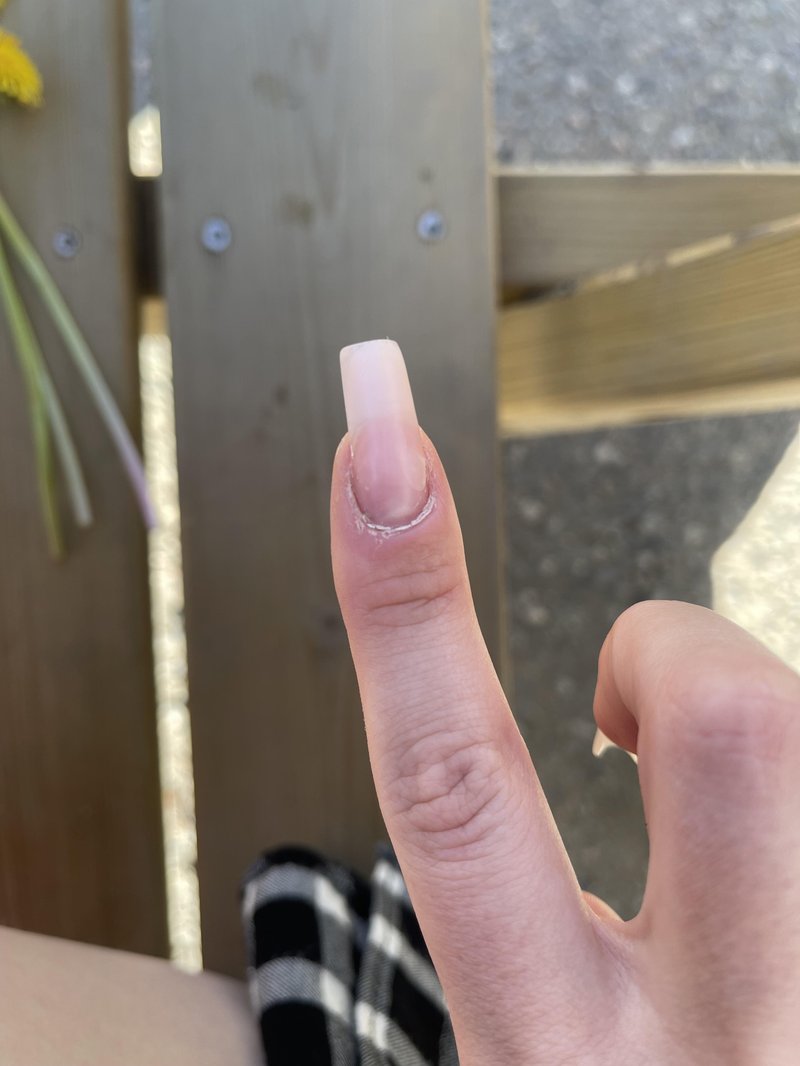
Maintaining healthy cuticles between professional treatments requires consistent at-home care, and choosing the right products is essential for ongoing hydration. For those struggling with my cuticles are dry and cracked, investing in high-quality cuticle oil is a game-changer. Look for formulas rich in natural oils like jojoba, almond, avocado, or grapeseed oil, as these are highly emollient and easily absorbed. Applying cuticle oil multiple times a day, especially before bed, will significantly improve moisture levels and elasticity.
In addition to oils, a good hand cream or balm specifically designed for dry skin can provide an extra layer of protection and hydration. Ingredients such as shea butter, glycerin, hyaluronic acid, and ceramides are excellent for restoring the skin barrier and locking in moisture. For more intensive treatment, consider using a cuticle mask once or twice a week. These masks often come in glove form and deliver a concentrated dose of hydrating ingredients, perfect for rejuvenating extremely dry cuticles and hangnails. Consistent use of these products will help keep your cuticles soft, supple, and healthy.

Addressing specific dry cuticle concerns
Dry cuticles can manifest in various ways, from simple flakiness to severe cracking and hangnails. Understanding these specific concerns is vital for targeting the right solutions. Whether you’re dealing with dryness on your hands or even your toes, tailored approaches can make a significant difference in comfort and appearance.
Different symptoms require different levels of intervention and consistent care. We’ll explore how to handle peeling, cracking, and even dryness that extends to your toes, ensuring you have a comprehensive strategy for healthier cuticles overall.
Managing cuticles dry and peeling
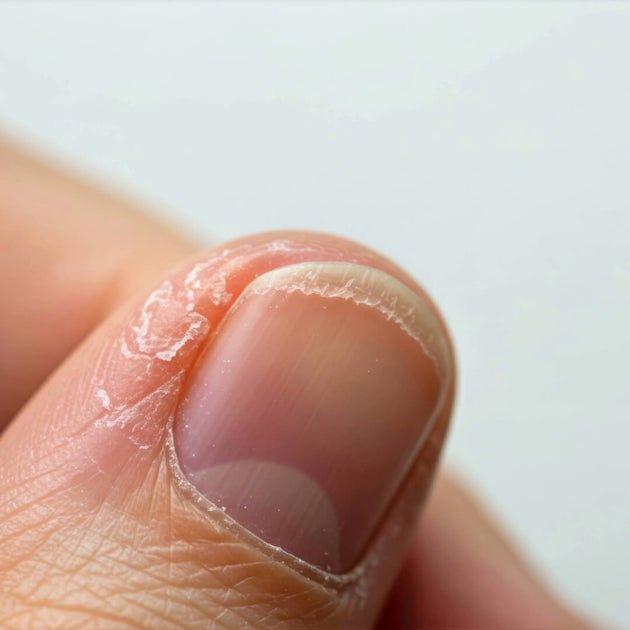
When your cuticles are dry and peeling, it’s often a sign that they are lacking adequate moisture and are exposed to too many harsh elements. The peeling occurs as the dehydrated skin struggles to maintain its integrity, leading to unsightly and sometimes painful flakes. To manage this, start by re-evaluating your daily habits. Avoid picking or tearing at the peeling skin, as this can worsen the damage and potentially introduce infection.
Instead, focus on consistent hydration. Apply a rich cuticle oil or balm several times a day, gently massaging it into the affected area. This helps to soften the skin and encourage it to heal. Consider a weekly warm oil soak for your fingertips, which can deeply moisturize and soothe irritation. Furthermore, always wear gloves when washing dishes or using cleaning products to protect your delicate cuticles from further dehydration and chemical exposure. By being diligent with hydration and protection, you can effectively alleviate peeling and restore your cuticles to a healthier state.
Treating extremely dry cuticles and hangnails
Extremely dry cuticles and hangnails are often interconnected, with severe dryness being a primary cause of those painful, annoying bits of skin. Hangnails form when a piece of skin separates from the cuticle or sidewall of the nail, usually due to dehydration or trauma. Trying to pull or bite them off can lead to further tearing, infection, and increased pain, making it crucial to treat cracked cuticles properly.
To address this, begin with a gentle warm water soak for a few minutes to soften the skin. Once softened, carefully trim only the detached hangnail portion using sterile cuticle nippers, avoiding cutting the healthy skin. Never pull. Immediately follow this with a generous application of a rich cuticle oil or balm. For severe cases, consider applying an occlusive barrier like petroleum jelly over the cuticle oil before bed, then wearing cotton gloves to lock in moisture overnight. Consistent application of nourishing oils and balms throughout the day is key to preventing future hangnails and promoting healing for extremely dry cuticles.

Addressing dry cuticles on toes
While often overlooked, dry cuticles on toes are just as common and uncomfortable as those on your fingers. The feet are frequently exposed to friction from shoes, lack of air circulation, and sometimes less consistent moisturizing, all of which can contribute to dryness. If you’re noticing your cuticles are dry and cracked on your toes, it’s time to extend your cuticle care routine beyond your hands.
The principles for treating dry cuticles on toes are similar to those for hands. Start by incorporating regular moisturizing using a dedicated cuticle oil or a rich foot cream. After showering or bathing, when your skin is soft, gently push back your cuticles with an orange wood stick. Avoid harsh cutting. Pay extra attention during pedicures, ensuring your technician uses gentle techniques and nourishing products. Regularly exfoliating your feet can also help remove dead skin around the nail area, allowing moisturizers to penetrate more effectively. Consistent care will keep your toe cuticles healthy, preventing discomfort and improving the overall appearance of your feet.

Frequently asked questions about dry cuticles
Addressing common concerns about dry cuticles can help you better understand and manage this issue. Here are some frequently asked questions that shed light on why your cuticles are so dry and what you can do about it.
What vitamins are good for dry cuticles?
Several vitamins and nutrients support cuticle health. Biotin (Vitamin B7) is known to strengthen nails and improve skin health. Vitamin E, a powerful antioxidant, helps moisturize and heal damaged skin. Vitamin C is crucial for collagen production, which keeps skin supple, while Omega-3 fatty acids reduce inflammation and support overall skin hydration, preventing dry and cracked cuticles.
Can dehydration cause dry cuticles?
Yes, general body dehydration can absolutely manifest as dry cuticles. When your body lacks sufficient water, it prioritizes essential organs, leaving less moisture for peripheral areas like skin and nails. This internal dryness contributes to why your cuticles are so dry, making them more prone to cracking and peeling. Staying well-hydrated by drinking plenty of water is crucial for overall skin health, including your cuticles.

Why are my cuticles always dry and peeling after a manicure?
If your cuticles are always dry and peeling after a manicure, it might be due to aggressive pushing or cutting of the cuticle. Excessive trimming can damage the protective barrier, leading to increased dryness and irritation. Harsh chemicals in nail products or improper aftercare can also contribute. Ensure your technician is gentle and that you are moisturizing diligently post-manicure to prevent this.

Can a poor diet contribute to dry cuticles?
Indeed, a poor diet can significantly contribute to why your cuticles are so dry. A lack of essential nutrients like healthy fats (omega-3s), vitamins (A, C, E, biotin), and minerals (zinc, iron) can impair skin barrier function and overall hydration. Eating a balanced diet rich in these nutrients supports healthy skin and cuticles from within, preventing them from becoming dry and brittle.
How long does it take to fix extremely dry cuticles?
The time it takes to fix extremely dry cuticles varies depending on the severity of the dryness and your consistency with treatment. With diligent application of cuticle oil, regular moisturizing, and protection from harsh elements, you can often see significant improvement within 1-2 weeks. For severely cracked or damaged cuticles, complete healing may take several weeks to a few months as new, healthy skin grows.

Conclusion: Achieving hydrated and healthy cuticles
Understanding why your cuticles are so dry is the crucial first step toward achieving the healthy, hydrated nails you desire. From environmental stressors like cold weather and harsh chemicals to daily habits such as frequent hand washing and improper cuticle care, many factors contribute to dryness. By identifying these culprits and implementing targeted solutions, you can effectively treat cracked cuticles and prevent future issues.
Remember that consistent moisturizing with quality cuticle oils, protecting your hands with gloves, and choosing gentle nail products are fundamental. For professional guidance and rejuvenating treatments, Paintbox Nail & Beauty is dedicated to helping you maintain optimal nail health. Don’t let dry, peeling cuticles diminish your confidence. Take action today to nurture your nails and enjoy the comfort of soft, healthy cuticles. Learn more about effective treatments to combat why your cuticles are so dry by visiting us or exploring our resources.
