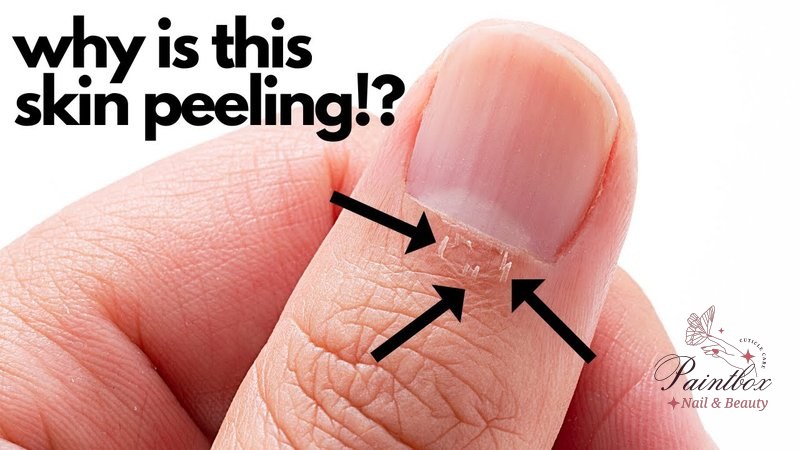
Understanding why cuticles peel after a manicure
It is frustrating and sometimes painful when you notice your cuticles peeling after a manicure, especially after investing time and money in professional nail care. Cuticles peeling after a manicure can be a common concern for many, leading to discomfort and a less-than-perfect finish. At Paintbox Nail & Beauty, we understand these frustrations and are here to help you understand why this happens and what you can do to prevent it.
Cuticles peeling after a manicure is often caused by a combination of dryness, improper cuticle care during the manicure, or potential allergic reactions to products used. Understanding the root cause is the first step toward achieving and maintaining healthy, beautiful nails. This article will explore the main reasons for peeling cuticles and provide actionable tips for prevention and treatment.
Identifying common reasons cuticles peel after a manicure
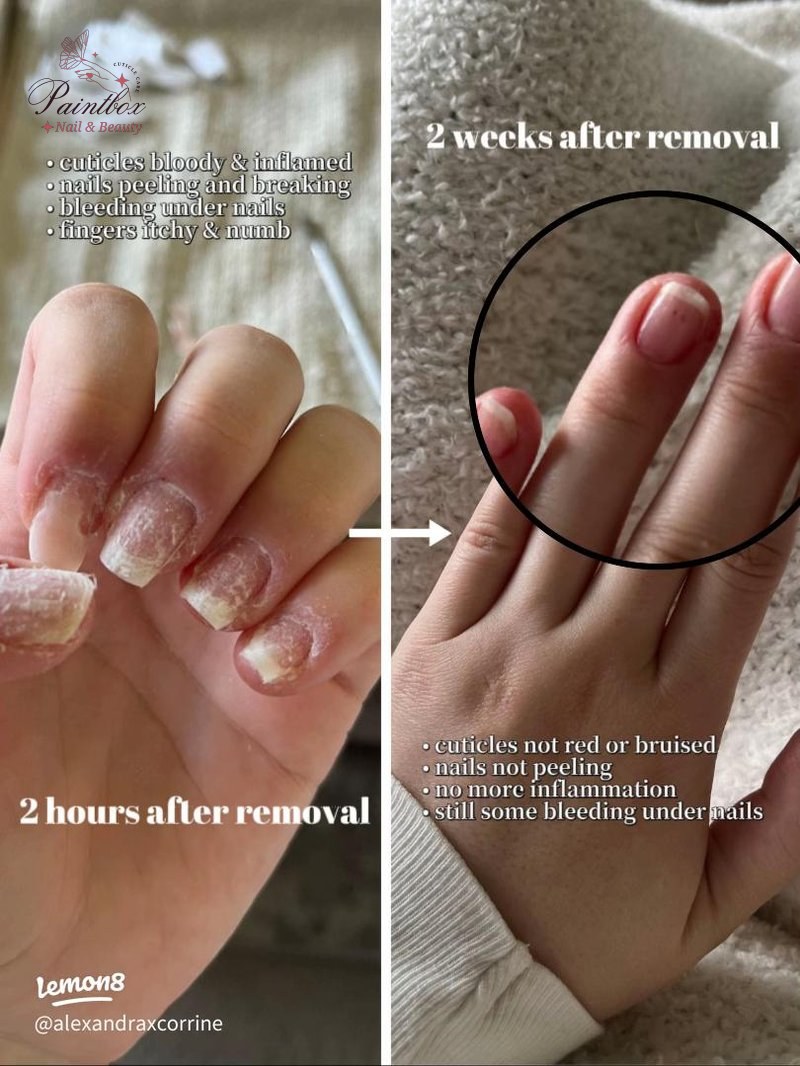
Many factors contribute to cuticles peeling after a manicure, ranging from environmental conditions to specific techniques used during your nail appointment. Understanding these common culprits is crucial for effective prevention. Often, the issue stems from a lack of moisture, but improper trimming can also play a significant role.
The delicate skin around your nails, known as the cuticle, acts as a protective barrier. When this barrier is compromised, it becomes more susceptible to dryness, irritation, and ultimately, peeling. Let’s delve deeper into the specific reasons why your cuticles might be peeling post-manicure.
Understanding the impact of dryness on your cuticles
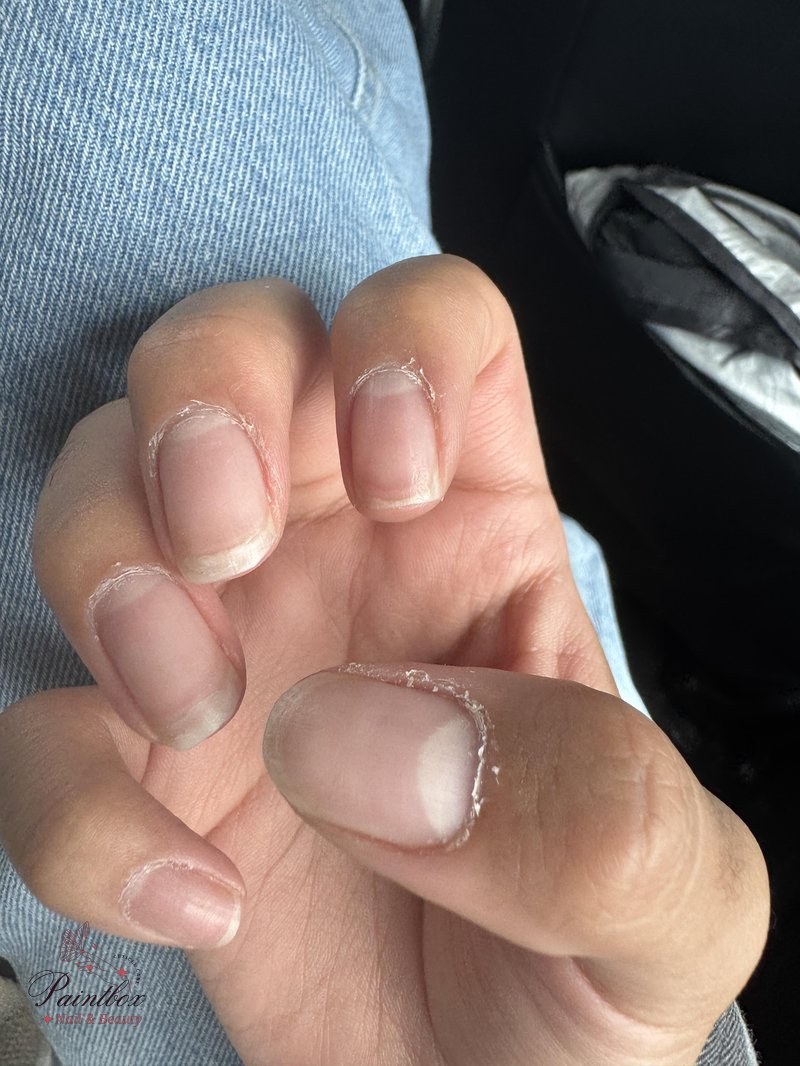
Dryness is perhaps the most common reason why cuticles peel after a manicure. When the skin lacks adequate moisture, it becomes brittle and prone to flaking. This can be exacerbated by exposure to harsh soaps, hand sanitizers, or even just dry air. Many people experience peeling cuticles simply because their hands and nails are not receiving enough hydration.
Manicures can sometimes strip natural oils from the skin, especially if acetone-based removers are used frequently. This leaves the cuticles vulnerable and more likely to dry out and peel. Consistent moisturizing is key to combating this issue.
Recognizing improper cuticle trimming techniques
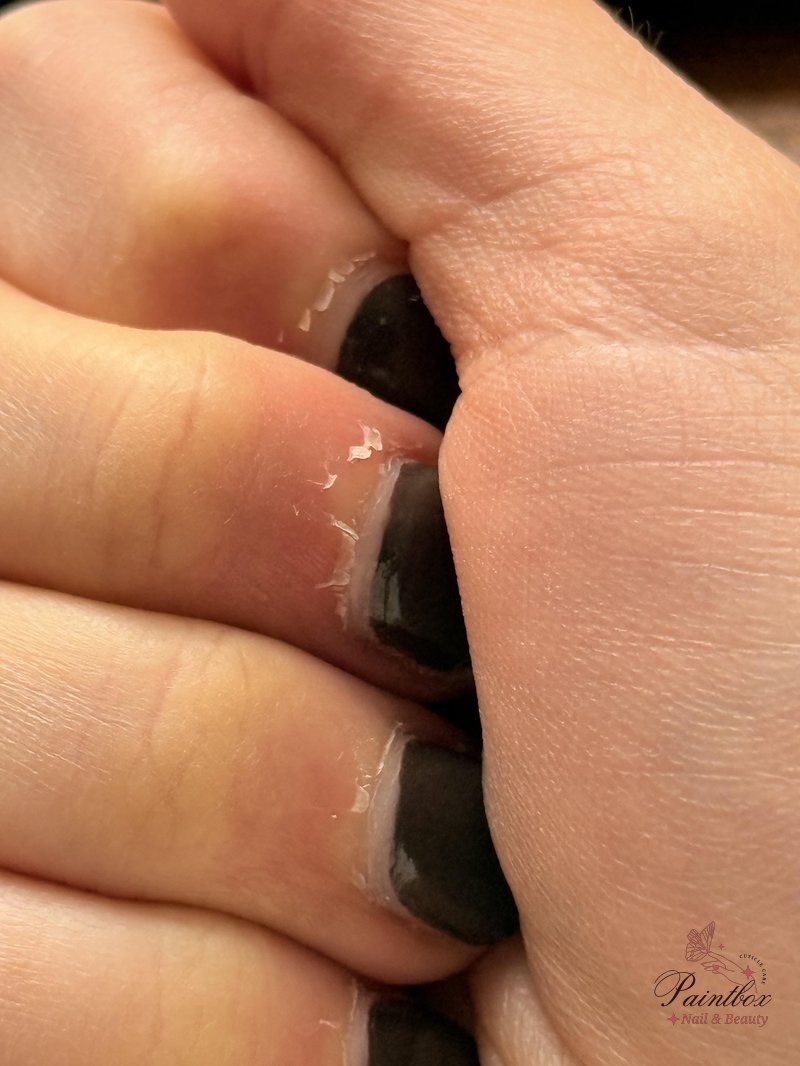
Another significant contributor to peeling cuticles is incorrect trimming during a manicure. While some people prefer to have their cuticles pushed back or trimmed, over-trimming or cutting live skin can lead to significant problems. When the “excess dead skin” is cut too aggressively, it can create a rough edge or “lip” of skin that eventually dries out and peels.
This technique can also remove the protective barrier, leaving the nail matrix exposed to bacteria and infections. A skilled manicurist understands the importance of gentle cuticle care, focusing on pushing back rather than cutting, to maintain the health and integrity of your nails.

Addressing allergic reactions or product sensitivities
Less commonly, but still a possibility, cuticles peel after manicure due to an allergic reaction or sensitivity to certain products used. Ingredients in nail polishes, removers, glues, or even the solutions used to soak instruments can trigger a reaction in sensitive individuals. Symptoms might include redness, itching, swelling, and, of course, peeling.
It’s wise to discuss any known sensitivities with your nail technician before your manicure. If you suspect an allergic reaction, it’s best to discontinue using the suspected product and consult with a dermatologist. Patch testing new products can also help identify potential irritants before full application.
Effective ways to prevent cuticles peeling after manicure
Preventing your cuticles peeling after manicure involves a multi-faceted approach, focusing on proper care before, during, and after your nail service. By incorporating a few simple habits into your routine, you can significantly reduce the likelihood of experiencing this annoying issue.
The goal is to keep your cuticles hydrated, protected, and free from irritation. Let’s explore some of the most effective strategies to ensure your cuticles remain healthy and smooth.
Embracing consistent hydration and moisturizing practices
One of the most powerful tools against peeling cuticles is consistent hydration. Just as you moisturize your face, your hands and cuticles need daily attention. Apply a high-quality cuticle oil or balm several times a day, especially after washing your hands. This creates a protective barrier and locks in moisture.
Look for products containing ingredients like jojoba oil, vitamin E, or shea butter, which are known for their moisturizing and healing properties. Carrying a small bottle of cuticle oil with you makes it easy to apply throughout the day, ensuring your cuticles stay supple.
Choosing gentle and professional cuticle care
When you visit a salon, ensure your manicurist practices gentle and professional cuticle care. It’s often best to ask them to push back your cuticles rather than trim them, unless absolutely necessary for specific dead skin. A good technician will understand that the cuticle serves a vital protective function and should not be aggressively cut.
If you do trim your cuticles at home, use sterilized tools and only remove truly dead, loose skin. Never pull or rip at your cuticles, as this can cause further damage and peeling. Discussing your concerns with your technician before starting the manicure can help set expectations and ensure appropriate care.

Taking breaks from frequent manicures
Sometimes, giving your nails and cuticles a break from regular manicures can make a significant difference. Constant exposure to products, even gentle ones, and repeated shaping can take a toll on the delicate skin around your nails. Taking one to two weeks off between appointments allows your cuticles to recover and rebuild their natural resilience.
During this break, focus intensely on moisturizing and protecting your hands. This can help alleviate the stress on your cuticles and reduce the incidence of peeling. Paintbox Nail & Beauty always prioritizes the long-term health of your nails.

Adopting protective measures in daily life
Beyond direct cuticle care, protecting your hands in daily activities can also prevent your cuticles peel after manicure. Wearing gloves when doing dishes, cleaning with harsh chemicals, or gardening shields your hands from elements that can strip moisture and cause irritation.
Additionally, avoid excessive hand washing with harsh soaps, and opt for moisturizing hand soaps when possible. Being mindful of how you treat your hands throughout the day contributes significantly to overall nail and cuticle health.
Comparing cuticle care methods: pros and cons
When it comes to cuticle care, there are various approaches, each with its own set of advantages and disadvantages. Understanding these can help you make informed decisions about your manicure routine and prevent your cuticles peeling after manicure. Let’s look at the most common methods used in salons and at home.
The choice of method often depends on individual preference, cuticle condition, and the overall health of your nails. Knowing the pros and cons allows you to communicate effectively with your nail technician about the care that best suits you.
| Cuticle Care Method | Pros | Cons |
|---|---|---|
| Pushing Back Cuticles | Maintains natural protective barrier, reduces risk of infection, less invasive. | May not achieve a “clean” look for everyone, requires consistent maintenance. |
| Trimming Cuticles | Provides a very clean, polished look immediately, removes visible dead skin. | Increases risk of infection if over-trimmed, can lead to more peeling if live skin is cut, removes protective barrier. |
| E-file (Electric File) Manicure | Precise removal of dead skin, offers a very clean look, can be gentler than nippers when done correctly. | Requires highly skilled technician to avoid damage, can cause heat or friction burns if misused, more expensive. |
| Hydrating & Oiling Only | Promotes natural health and flexibility, no risk of damage from cutting. | Doesn’t remove visible dead skin, may not be sufficient for very overgrown cuticles. |

Frequently asked questions about cuticles peeling after manicure
Why do my cuticles always peel after a manicure?
Your cuticles might consistently peel after a manicure due to excessive dryness, over-trimming during the service, or an allergic reaction to products like glues or acetone. Ensuring proper hydration and gentle care can help prevent this.
Can certain nail products make cuticles peel?
Yes, certain nail products, particularly harsh removers containing acetone, or even some polishes and glues, can dry out the delicate cuticle skin, leading to peeling. Opt for gentler, hydrating formulas.
How can I stop my cuticles from peeling after getting my nails done?
To stop your cuticles from peeling, apply cuticle oil or a rich hand cream several times daily. Ask your nail technician to push back your cuticles gently instead of trimming them excessively.

Is it normal for skin to peel around nails after a gel manicure?
While some minor flaking can occur, extensive skin peeling around nails after a gel manicure is not normal. It could indicate dryness, improper removal techniques, or a sensitivity to the gel products or UV lamp.
What should I do if my cuticles are red and sensitive after a manicure?
If your cuticles are red, sensitive, or burning after a manicure, it suggests irritation or an allergic reaction. Apply a soothing, fragrance-free moisturizer, avoid picking, and consider seeing a dermatologist if symptoms persist.

Conclusion
Understanding why your cuticles peeling after manicure is the first step toward achieving and maintaining healthy, beautiful nails. From inadequate moisture and aggressive trimming to potential allergic reactions, several factors can contribute to this common issue. By implementing consistent hydration, choosing gentle professional care, taking breaks from frequent manicures, and protecting your hands in daily life, you can significantly reduce the incidence of peeling cuticles.
Remember, healthy cuticles are essential for overall nail health, acting as a protective seal. By applying the tips discussed in this article, you can enjoy perfectly manicured nails without the discomfort of peeling cuticles. If you continue to experience issues with your cuticles peeling after manicure, don’t hesitate to consult with a professional.
For expert nail care and personalized advice, visit Paintbox Nail & Beauty. We are dedicated to helping you achieve strong, beautiful, and healthy nails.