Understanding what is a nail cuticle for optimal nail health
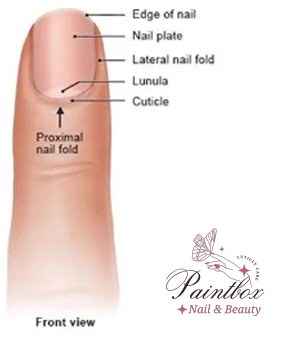
Many people often wonder, what is a nail cuticle, and why is it so important? The nail cuticle is a thin layer of clear, dead skin located along the bottom edge of your finger or toe, right where the nail plate meets the skin. This small but mighty part of your nail anatomy serves a crucial protective function, acting as a natural barrier against bacteria and infections. At Paintbox Nail & Beauty, we believe that understanding the basics of nail anatomy, especially what is a nail cuticle, is the first step towards achieving and maintaining truly healthy and beautiful nails.
Proper cuticle care is essential for preventing various nail problems, from dryness and hangnails to more serious infections. Misunderstanding its role can lead to improper care practices, such as aggressive trimming, which can do more harm than good. In this comprehensive guide, we will delve into what is a nail cuticle, its biological function, how to distinguish it from other parts of the nail unit, and most importantly, how to care for it effectively to ensure your nails remain strong and vibrant.
Defining the nail cuticle and its biological purpose

The nail cuticle, scientifically known as the eponychium, is a protective layer of non-living tissue that seals the area where the nail plate emerges from the skin. It acts as a barrier, preventing external pathogens, dirt, and moisture from entering the nail matrix, which is the root of your nail where new cells are produced. Without an intact cuticle, your nail bed would be vulnerable to infections and damage, compromising the health and growth of your nails.
Many individuals often confuse the cuticle with the eponychium, which is the live tissue just below the cuticle. While related, it’s important to differentiate between them to ensure proper care. The true cuticle is the dead skin that grows onto the nail plate itself, forming a tight seal. This distinction is crucial for understanding why certain nail care practices are recommended and others are discouraged. Maintaining a healthy cuticle means maintaining a strong line of defense for your entire nail unit.
Distinguishing the cuticle from the eponychium

Understanding what is a nail cuticle also involves knowing the difference between the cuticle and the eponychium. The eponychium is the visible fold of skin at the base of the nail, covering the nail matrix. It’s live tissue and should never be cut, as doing so can lead to injury, infection, and damage to the nail’s growth. In contrast, the true cuticle is the thin, non-living layer of skin that adheres directly to the surface of the nail plate, just beyond the eponychium. This dead tissue is what you typically push back or gently remove during a manicure.
Many people mistakenly refer to the eponychium as the cuticle and proceed to trim it, which can be detrimental to nail health. Trimming the live eponychium breaks the natural seal, exposing the delicate nail matrix to bacteria and potential infections. This can result in painful hangnails, redness, swelling, and even changes in nail growth. A proper understanding of what is a nail cuticle and its distinction from the eponychium is fundamental for safe and effective nail care routines.

The critical function of a healthy nail cuticle

The primary function of a healthy nail cuticle is to protect the underlying nail matrix and nail bed from external aggressors. It acts like a natural sealant, preventing water, bacteria, and other microorganisms from penetrating the delicate area where new nail growth originates. Without this protective barrier, your nails would be highly susceptible to infections, leading to inflammation, pain, and compromised nail health.
Furthermore, a healthy cuticle helps to maintain the moisture balance of the nail plate and the surrounding skin. When the cuticle is dry, cracked, or damaged, it can lead to brittle nails, hangnails, and an overall unhealthy appearance. Proper hydration and gentle care of the cuticle are therefore essential not only for preventing infections but also for promoting strong, flexible, and aesthetically pleasing nails. Understanding what is a nail cuticle’s critical function underscores the importance of gentle and consistent care.
Recognizing signs of an unhealthy nail cuticle
Identifying the signs of an unhealthy nail cuticle is crucial for addressing problems before they escalate. A healthy cuticle should appear smooth, intact, and relatively invisible, forming a neat border around the base of the nail. Conversely, an unhealthy cuticle might exhibit several noticeable symptoms that indicate damage or infection. These signs can range from mild cosmetic concerns to more severe issues requiring professional attention.
Ignoring these warning signs can lead to chronic nail problems, impacting both the appearance and the overall health of your nails. Regular inspection of your cuticles as part of your nail care routine can help you catch these issues early. At Paintbox Nail & Beauty, we emphasize educating our clients on what is a nail cuticle and how to spot potential problems, ensuring they maintain optimal nail health.
Common problems affecting the nail cuticle
Several common problems can affect the nail cuticle, often stemming from improper care or environmental factors. One of the most frequent issues is dryness and cracking, often caused by exposure to harsh chemicals, excessive hand washing, or simply a lack of moisture. Dry cuticles can become rigid, leading to painful hangnails that can tear and create entry points for bacteria.
Another common problem is inflammation or redness around the cuticle area, often a sign of irritation from aggressive pushing or trimming. Paronychia, a type of nail infection, can develop when bacteria or fungi enter through compromised cuticles. This condition presents with swelling, redness, pain, and sometimes pus around the nail fold. Understanding what is a nail cuticle and these common problems helps in preventing and treating them effectively.

When to seek professional advice for cuticle issues
While many minor cuticle issues can be managed at home, there are times when it’s essential to seek professional advice. If you notice signs of severe infection, such as intense pain, significant swelling, warmth, or pus around the cuticle area, it’s crucial to consult a doctor or a dermatologist. These symptoms could indicate paronychia or another serious infection that requires medical treatment, potentially antibiotics or antifungal medication.
Persistent dryness, cracking, or chronic hangnails that do not improve with regular home care might also warrant a visit to a nail technician or dermatologist. They can assess the underlying cause and recommend appropriate treatments or lifestyle adjustments. Additionally, if you experience changes in nail color, texture, or growth patterns associated with cuticle problems, professional evaluation is important to rule out more serious health conditions. Understanding what is a nail cuticle in its various states of health is key to knowing when to seek help.
Effective ways to care for your nail cuticles
Proper cuticle care is fundamental for maintaining healthy and beautiful nails. Many people make the mistake of aggressively trimming or cutting their cuticles, which can do more harm than good. The goal of cuticle care should always be to protect and nourish this vital barrier, rather than to remove it. Gentle and consistent care practices can significantly improve the health and appearance of your nails, reducing the risk of infections and promoting stronger growth.
At Paintbox Nail & Beauty, we advocate for a gentle approach to cuticle maintenance, focusing on hydration and protection. Incorporating a few simple steps into your routine can make a world of difference, ensuring your cuticles remain supple, healthy, and effectively perform their protective function. Knowing what is a nail cuticle and how to care for it correctly is a cornerstone of good nail hygiene.

Gentle techniques for pushing back cuticles
Pushing back your cuticles is a safe and effective way to tidy the nail area without compromising its protective barrier. The key is to be gentle and ensure the cuticles are softened beforehand. Begin by soaking your hands in warm water for a few minutes or applying a dedicated cuticle remover, which helps to soften the dead skin. Once soft, use a clean, disinfected cuticle pusher, preferably made of rubber or orangewood, to gently push back the cuticle from the nail plate.
Always push in one direction, towards the base of the nail, with light pressure. Avoid pushing too hard or using metal tools aggressively, as this can damage the eponychium and the nail matrix. The aim is to gently detach any dead skin that has grown onto the nail plate. Following this process with a hydrating cuticle oil will help keep the area supple and prevent dryness. This gentle technique respects what is a nail cuticle’s natural role.
The importance of moisturizing your cuticles regularly
Regular moisturization is arguably the most important aspect of cuticle care. Just like the rest of your skin, your cuticles can become dry and brittle, especially with frequent hand washing, exposure to harsh chemicals, or cold weather. Dry cuticles are prone to cracking, peeling, and developing painful hangnails, which can compromise the protective seal and increase the risk of infection.
Applying a high-quality cuticle oil or balm daily helps to keep the cuticles hydrated, soft, and flexible. These products typically contain nourishing ingredients like vitamin E, jojoba oil, or almond oil, which penetrate deeply to moisturize and strengthen the skin around your nails. Consistent moisturization not only prevents dryness and damage but also promotes healthier nail growth and a more polished overall appearance. It’s an essential step in maintaining what is a nail cuticle in prime condition.

Why you should avoid cutting your cuticles
Many people believe that cutting cuticles is a necessary part of a manicure for a clean look. However, this practice is largely discouraged by nail health professionals. As discussed, the cuticle serves as a vital protective barrier, sealing the nail matrix from bacteria and fungi. When you cut the cuticle, you compromise this natural seal, creating tiny openings that make your nails highly vulnerable to infections.
Cutting can also lead to more serious issues like paronychia, a painful inflammation around the nail, or even permanent damage to the nail matrix, resulting in irregular nail growth. Furthermore, aggressive cutting can cause the cuticle to grow back thicker, harder, and more prone to tearing, leading to a vicious cycle of maintenance and potential problems. Instead, gentle pushing back and consistent moisturization are the recommended approaches for a healthy and aesthetically pleasing nail area, preserving what is a nail cuticle’s protective function.

Common myths about nail cuticles debunked
The world of nail care is full of myths, and the nail cuticle is often at the center of much misinformation. These misconceptions can lead to improper care practices, potentially harming your nail health rather than improving it. Debunking these common myths is crucial for adopting a truly effective and safe nail care routine, ensuring you understand the true nature and needs of your cuticles.
At Paintbox Nail & Beauty, we are committed to providing accurate information to help our clients make informed decisions about their nail health. By addressing these popular misconceptions about what is a nail cuticle, we aim to empower you with the knowledge to care for your nails in the best possible way, promoting strength, beauty, and overall well-being.
Myth: You should always cut your cuticles for a clean look
This is perhaps the most pervasive myth surrounding nail cuticles. While many people believe that trimming their cuticles creates a cleaner, more manicured appearance, it’s actually a practice that can be detrimental to nail health. As discussed, the cuticle acts as a vital protective barrier, sealing the nail matrix from bacteria, fungi, and other pathogens. Cutting this barrier breaks the seal, leaving your nails vulnerable to infections, inflammation, and pain.
Instead of cutting, the recommended approach is to gently push back the softened cuticle. This technique helps to achieve a neat appearance without compromising the natural defense system of your nails. Regular moisturization with cuticle oil further enhances the health and look of the area, promoting flexibility and preventing dryness. Embracing this gentle approach respects what is a nail cuticle’s protective function and ensures long-term nail health.

Myth: Cuticle removers are harmful and should be avoided
Another common myth is that all cuticle removers are harsh chemicals that should be avoided. While it’s true that some older or low-quality cuticle removers might contain strong ingredients, many modern formulations are gentle and highly effective when used correctly. Cuticle removers are designed to chemically dissolve the dead skin of the cuticle, making it easier to gently push back without force or cutting.
They can be a very useful tool in your nail care arsenal, particularly for those with stubborn or overgrown cuticles. The key is to choose a reputable brand, follow the instructions carefully, and avoid leaving the product on for longer than recommended. Always rinse thoroughly after use and follow up with a moisturizing cuticle oil. When used properly, a good cuticle remover can be a safe and efficient way to maintain a tidy nail area, complementing your understanding of what is a nail cuticle.
FAQ: What is a nail cuticle?
What is the difference between a cuticle and a hangnail?
The cuticle is the protective layer of dead skin at the base of your nail. A hangnail, on the other hand, is a small piece of torn skin near the nail, often caused by dry or improperly trimmed cuticles, which can be painful and lead to infection.
Can I get an infection if I cut my cuticles?
Yes, cutting your cuticles significantly increases your risk of infection. The cuticle acts as a seal, and cutting it breaks this natural barrier, allowing bacteria and fungi to enter, potentially leading to painful conditions like paronychia.
How often should I moisturize my cuticles?
For optimal nail health, you should moisturize your cuticles daily. Applying cuticle oil or balm at least once a day, especially after washing hands or before bed, helps keep them soft, hydrated, and prevents dryness and cracking.
Is it normal for my cuticles to be very visible?
The visibility of your cuticles can vary, but generally, a healthy cuticle should be thin and relatively inconspicuous. If your cuticles appear thick, overgrown, or torn, it might indicate a need for more consistent and gentle care.
What are the best products for cuticle care?
The best products for cuticle care typically include hydrating cuticle oils (containing ingredients like jojoba, almond, or vitamin E oil) and gentle cuticle removers. For pushing back, opt for soft tools like rubber or orangewood pushers.
Conclusion
Understanding what is a nail cuticle is far more than just knowing a small part of your nail anatomy; it’s about recognizing a vital component of your overall nail health. This protective barrier plays a critical role in shielding your nail matrix from infections and damage, ensuring your nails grow strong and healthy. By learning to differentiate the true cuticle from the live eponychium and adopting gentle care practices, you can prevent common problems like dryness, hangnails, and infections.
We hope this guide has provided you with a clear and comprehensive understanding of what is a nail cuticle, empowering you to make informed decisions for its care. Remember, healthy cuticles contribute significantly to the beauty and longevity of your nails. For further insights into optimal nail health and professional treatments, we invite you to explore more resources on the Paintbox Nail & Beauty blog. For personalized advice and expert services, do not hesitate to visit us at Paintbox Nail & Beauty, where we prioritize the health and beauty of your nails.