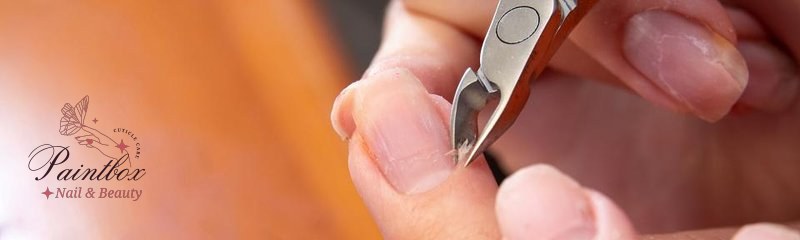
Is it bad to cut cuticles for nail health?
Cutting your cuticles is generally not recommended by dermatologists and nail care experts. While some people prefer the look of trimmed cuticles, removing this protective layer can expose your nail bed to various infections and damage. At Paintbox Nail & Beauty, we prioritize the health and safety of your nails, and understanding proper cuticle care is essential for maintaining beautiful, strong nails.
Many believe that cutting cuticles makes polish application easier or creates a cleaner look. However, the cuticle acts as a natural barrier, sealing the area between your skin and nail plate, preventing bacteria and fungi from entering. When this barrier is compromised, you become more vulnerable to painful infections.
Understanding the role of your cuticles

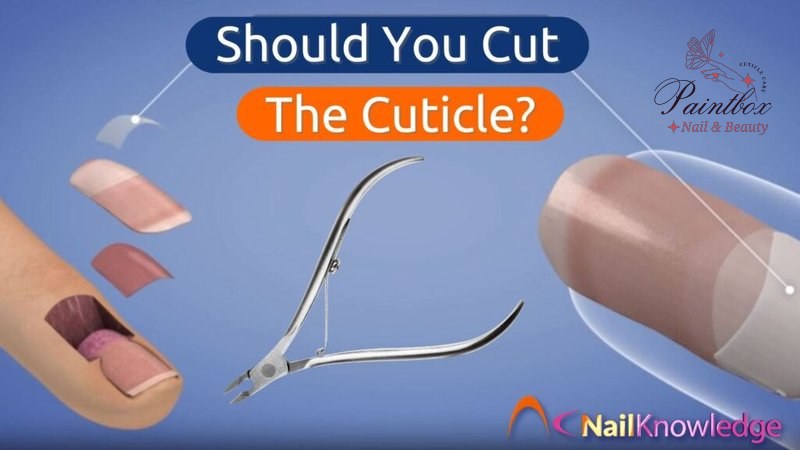
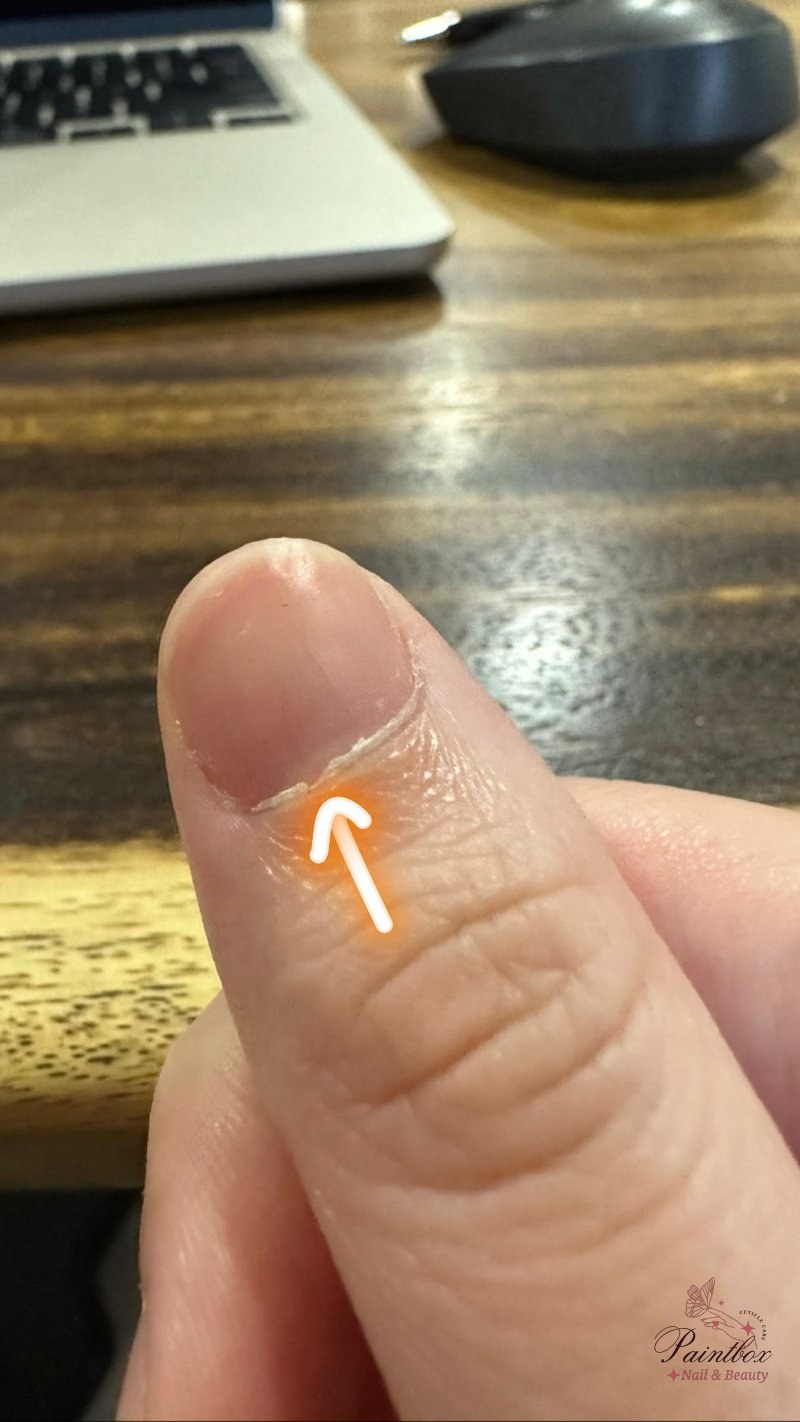
Your cuticles play a vital role in protecting your nails and overall nail health. This thin layer of skin at the base of your nail serves as a natural shield, preventing harmful bacteria and fungi from entering the delicate nail matrix. The nail matrix is where new nail cells are produced, making its protection paramount for healthy nail growth.
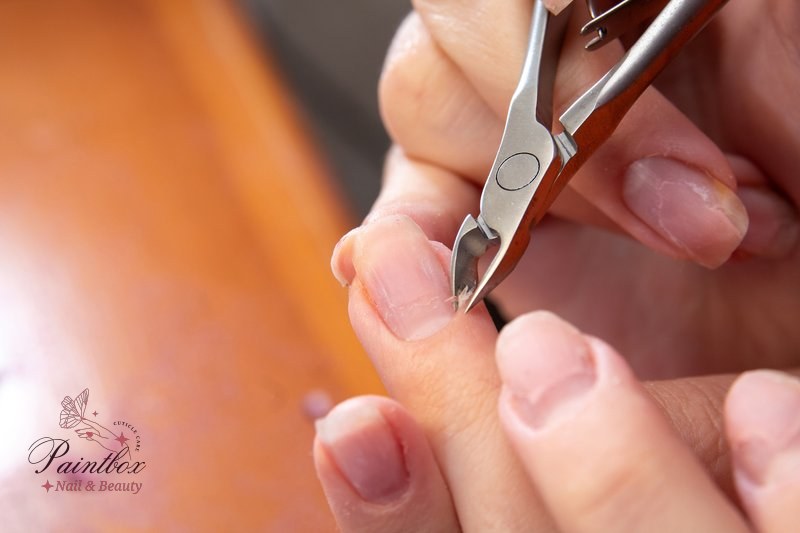
When you cut or aggressively push back your cuticles, you create tiny openings that can become entry points for pathogens. This can lead to infections such as paronychia, which causes redness, swelling, and pain around the nail. In severe cases, infections can spread, affecting the entire nail bed and even compromising future nail growth. While some people like the way trimmed cuticles look, cutting this protective layer of skin increases your risk for infection. Erika recommends using cuticle oil daily to keep your cuticles hydrated and healthy. Regularly moisturizing your cuticles helps keep them soft and pliable, reducing the urge to cut them.
The natural protective barrier of your nails
The cuticle is a vital part of your nail’s natural defense system. It forms a tight seal around the base of the nail, preventing moisture loss and protecting the underlying nail matrix from external aggressors. Think of it as a natural gasket that keeps everything safe and secure. Removing it is like taking down a wall that protects your home.
This protective barrier is essential for healthy nail growth. When the cuticle is intact, it helps to keep the nail plate firmly attached to the nail bed, promoting stronger nails. Any damage to this barrier can weaken the nail, making it more prone to breakage and other issues. Many nail technicians understand that cuticles should not be removed, as they serve as protection against microbes; cuticles protect new nail growth against bacterial and fungal infections.
Risks associated with cutting cuticles
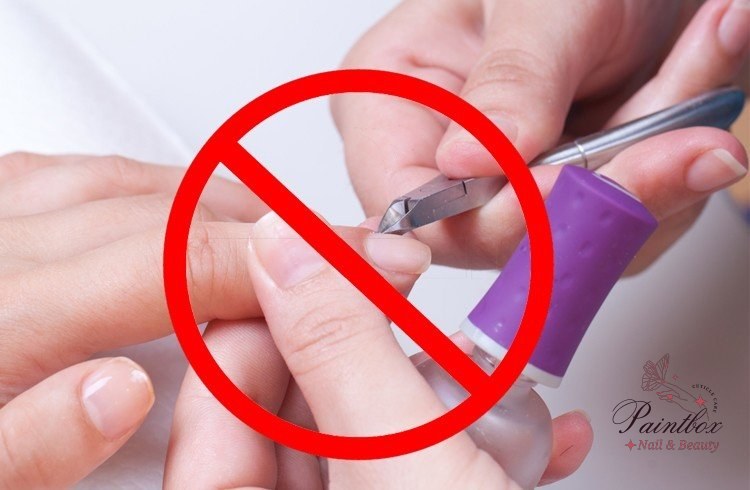
Cutting your cuticles carries several significant risks. The most common risk is infection, as mentioned, but there are other potential drawbacks too. Over-trimming can lead to an uneven or ragged cuticle appearance, making your nails look less neat rather than more. Repeated cutting can also stimulate the cuticle to grow back thicker and tougher, creating a cycle of constant trimming.
Additionally, cutting can cause damage to the nail matrix itself, leading to ridges, discoloration, or even permanent nail deformities. It’s not uncommon for people who regularly cut their cuticles to experience chronic dryness and hangnails, which further irritate the area. Some people like the way trimmed cuticles look, but cutting this protective layer of skin increases your risk for infection. This is a critical point that everyone should remember.
Safe alternatives for cuticle care
Instead of cutting your cuticles, there are several safe and effective methods to maintain their health and appearance. These alternatives focus on conditioning, moisturizing, and gently managing the cuticle area without compromising its protective function. The goal is to keep your cuticles soft, pliable, and healthy, which naturally enhances the look of your nails.
One of the easiest and most beneficial practices is regular moisturizing. Using a high-quality cuticle oil or cream daily can make a huge difference. These products hydrate the skin, preventing dryness, cracking, and hangnails. Apply them before bed or after washing your hands to keep your cuticles supple. You’ll find that well-hydrated cuticles are much easier to manage and less likely to become problematic.

Gentle pushing back techniques
If you prefer a neater cuticle line, gentle pushing back is a much safer alternative to cutting. After soaking your hands in warm water or applying a cuticle remover, use a soft orange stick or a rubber-tipped pusher to gently push the cuticles back towards the nail base. Be sure to apply minimal pressure to avoid damaging the nail matrix. This technique helps to create a clean look without breaking the protective seal.
It is important to remember that the goal is not to aggressively remove the cuticle, but to gently reshape it. Regular pushing back can train your cuticles to stay in a more desired position, reducing the need for any cutting. This method is widely accepted by nail professionals and health experts as a safe practice.
The benefits of cuticle oils and removers
Cuticle oils are powerhouses for maintaining healthy cuticles and nails. They deliver essential moisture and nutrients to the nail bed, promoting stronger nail growth and preventing dryness. Regular use can significantly reduce the occurrence of hangnails and torn cuticles, which often tempt people to cut them.
Cuticle removers, when used correctly, can also be beneficial. These products typically contain ingredients that soften and gently dissolve the dead skin cells that cling to the nail plate, making it easier to push them back without force. It’s crucial to choose a high-quality remover and follow the instructions carefully to avoid irritation. Remember, you should only be removing the dead skin, not the living cuticle itself.

Professional nail care at Paintbox Nail & Beauty
At Paintbox Nail & Beauty, we believe in providing nail services that prioritize both beauty and health. Our experienced nail technicians are trained in the safest and most effective cuticle care techniques, ensuring your nails remain healthy and look their best. We understand the importance of the cuticle’s protective function and adhere to practices that support it.
When you visit us, you can expect a consultation where we discuss your nail health and any concerns you may have. We use high-quality products, including gentle cuticle removers and nourishing cuticle oils, to prepare your nails for the perfect manicure or pedicure. Our methods are designed to enhance your nail’s natural beauty without compromising its integrity. From a classic manicure to a luxurious spa pedicure, our focus remains on providing exceptional care.
What to expect during your manicure
During a manicure at Paintbox Nail & Beauty, our technicians will begin by gently cleaning and sanitizing your hands and nails. We’ll then assess the condition of your cuticles. Instead of cutting, we typically apply a specialized cuticle remover to soften the dead skin. This allows us to gently push back the cuticles with a non-abrasive tool, carefully lifting away only the non-living tissue that may be clinging to the nail plate.
We then nourish your cuticles with a rich cuticle oil, massaging it in to promote circulation and hydration. This process ensures that your cuticles remain healthy and protected, forming a clean canvas for your nail polish. Our goal is always to enhance the natural beauty of your nails without resorting to potentially harmful practices. This careful approach helps you avoid issues like the danger of cutting your cuticles.

Maintaining healthy nails between appointments
Maintaining healthy nails and cuticles doesn’t stop when you leave our salon. There are several practices you can incorporate into your daily routine to prolong the benefits of your professional manicure and keep your nails in top condition. Consistent home care is key to preventing issues and ensuring your nails always look their best.
First and foremost, make daily cuticle oil application a habit. This is perhaps the most important step for maintaining supple and healthy cuticles. Also, wear gloves when doing household chores or gardening to protect your hands and nails from harsh chemicals and physical damage. Be mindful of how you treat your nails – avoid using them as tools to pry open objects, as this can cause breakage and damage to the nail plate and surrounding skin.
Comparing cuticle care methods
Understanding the differences between various cuticle care methods can help you make informed decisions about your nail health. While some techniques might seem appealing for their immediate aesthetic results, it’s crucial to consider their long-term impact on the health and integrity of your nails. This table outlines common cuticle care methods and their associated pros and cons.
At Paintbox Nail & Beauty, we advocate for methods that support the natural health and protective function of your cuticles. Our approach focuses on gentle and nourishing care to ensure your nails remain strong and beautiful, minimizing risks associated with aggressive treatments. We believe that true beauty stems from health, and this philosophy guides all our services.
| Method | Description | Pros | Cons |
|---|---|---|---|
| Cutting Cuticles | Trimming or snipping away the visible cuticle skin. | Creates a clean, “finished” look immediately. | High risk of infection, damage to nail matrix, potential for thicker regrowth, risk of hangnails. |
| Pushing Back Cuticles | Gently pushing the cuticle back from the nail plate with a tool after softening. | Maintains protective barrier, creates a neat look, reduces hangnails. | Requires consistent effort, can cause damage if done too aggressively. |
| Using Cuticle Oil/Cream | Applying moisturizing products to hydrate and soften cuticles. | Promotes healthy, supple cuticles, prevents dryness and hangnails, strengthens nails. | Requires daily application for best results, no immediate “removal” of cuticle. |
| Using Cuticle Removers | Applying a solution to soften and dissolve dead cuticle skin, then gently pushing back. | Effectively removes dead skin, helps achieve a clean look without cutting. | Can cause irritation if left on too long, may not be suitable for all skin types. |
Frequently asked questions about cuticle care
Should I cut my cuticles at home?
No, it is generally advised against cutting your cuticles at home due to the high risk of infection and damage. Professional nail technicians are trained to understand the delicate nature of the cuticle and use appropriate, safe techniques.
What happens if you cut your cuticles too short?
Cutting your cuticles too short can lead to painful infections, inflammation, and even permanent damage to the nail matrix, which affects future nail growth. It can also cause the cuticles to grow back thicker and more ragged.
How often should I moisturize my cuticles?
You should aim to moisturize your cuticles daily, ideally twice a day – once in the morning and once before bed. Consistent hydration is key to keeping them soft, healthy, and free from dryness and hangnails.
Is it okay to push back cuticles every day?
While gentle pushing back is safer than cutting, doing it every day might be excessive. It’s usually sufficient to gently push them back once or twice a week, after softening them with water or cuticle remover.
Can trimming cuticles make them grow faster?
No, trimming cuticles does not make them grow faster. In fact, aggressive trimming can sometimes stimulate them to grow back thicker or more unevenly as a protective response from your body.

Conclusion
In conclusion, the answer to “is it bad to cut cuticles?” is a resounding yes, in most cases. While the desire for perfectly manicured nails is understandable, compromising the natural protective barrier that your cuticles provide can lead to significant health risks, including painful infections and potential damage to your nail health. At Paintbox Nail & Beauty, we strongly advocate for safe and gentle cuticle care practices.
By understanding the vital role your cuticles play and adopting alternatives like moisturizing with cuticle oils and gentle pushing back, you can maintain beautiful, healthy nails without exposing them to unnecessary risks. Remember, healthy nails are beautiful nails. For professional advice and services that prioritize your nail health, we invite you to visit Paintbox Nail & Beauty. Learn more about optimal nail care and book your next appointment today by visiting our page on is it bad to cut cuticles.