Painful Cuticles After Manicure
Are you experiencing painful cuticles after a manicure? This discomfort can stem from various factors, including improper technique during your nail service, allergic reactions to products, or even signs of an emerging infection. At Paintbox Nail & Beauty, we understand how frustrating and concerning this can be. Our aim is to provide you with comprehensive information on why your cuticles might be hurting and what you can do to find relief and prevent future issues, ensuring your manicure experience is always a positive one.
Understanding why your cuticles hurt after a manicure
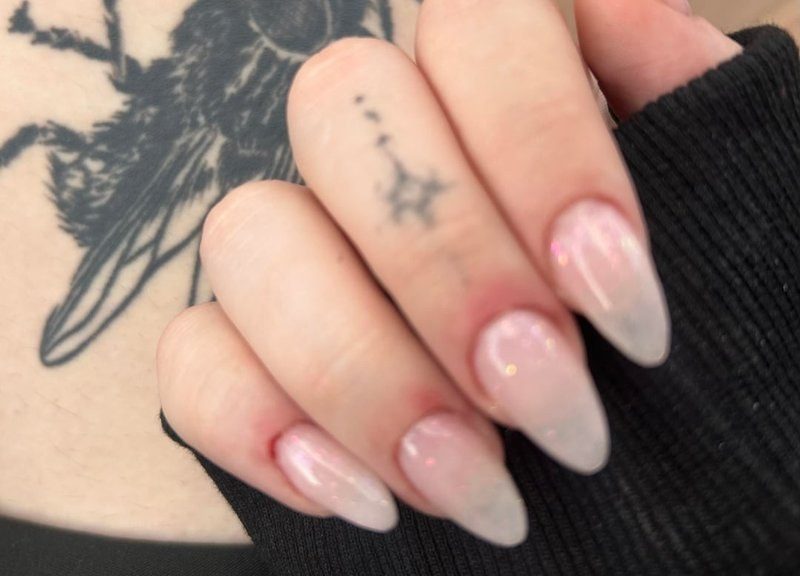
Experiencing painful cuticles after a manicure is a common complaint that many individuals face. This discomfort is often a sign that something went awry during the nail service or that your skin reacted negatively to certain products. Identifying the root cause is the first step towards finding effective relief and preventing future occurrences. The delicate nature of the cuticle area makes it particularly susceptible to irritation and injury.
When the cuticle, which acts as a protective barrier against bacteria and fungi, is damaged, it leaves the nail bed vulnerable. This can manifest as redness, swelling, tenderness, or even small cuts. Understanding the various reasons behind this post-manicure pain empowers you to advocate for better nail care practices and choose a salon that prioritizes your nail health. Let’s delve into the most common culprits behind painful cuticles after a manicure.

Common causes of cuticle pain
Several factors can contribute to painful cuticles after a manicure. One of the primary reasons is improper cuticle care during the service. Excessive pushing back, aggressive trimming, or cutting live cuticle tissue can cause micro-tears and irritation. This compromises the cuticle’s protective function, making it easier for bacteria to enter and cause infection.
Another significant cause is an allergic reaction to nail products. Gel polishes, acrylics, and even some regular polishes or removers contain ingredients like HEMA (hydroxyethyl methacrylate) that can trigger contact dermatitis in sensitive individuals. Symptoms often include itching, redness, swelling, and peeling around the cuticles, sometimes appearing days after the manicure. Itchy, swollen cuticles after a gel manicure are usually allergic contact dermatitis, most often caused by sensitization to HEMA, a common gel component.
Furthermore, unsanitary tools or practices at the salon can lead to bacterial or fungal infections. If tools are not properly sterilized, harmful microorganisms can be transferred to open wounds or irritated cuticles, resulting in painful swelling, pus, and severe discomfort. It’s very common for damaged cuticles to result in an infection called acute paronychia, which results in soreness and occasionally a pus-filled blister.

Immediate relief and home remedies for painful cuticles
When your cuticles are painful after a manicure, finding immediate relief is often your top priority. Thankfully, several effective home remedies and over-the-counter solutions can help soothe the irritation and promote healing. The key is to act quickly to prevent the discomfort from worsening and to minimize the risk of infection. Gentle care and appropriate moisturizing are crucial steps in the recovery process for your delicate cuticles.
Avoid harsh chemicals or further manipulation of the area, as this can exacerbate the problem. Instead, focus on creating a healing environment for your cuticles. Remember, if the pain persists, worsens, or shows signs of severe infection, it’s always best to consult a healthcare professional. For minor irritations, these practical tips can bring much-needed comfort to your painful cuticles after a manicure.

Soothing techniques and gentle care
To alleviate immediate pain, start by gently cleaning the affected area with mild soap and warm water. Using alcohol or peroxide will kill the new tissue trying to form, so it’s best to avoid them. After washing, pat your hands dry gently and apply a soothing balm or cuticle oil. Products containing ingredients like jojoba oil, vitamin E, or shea butter are excellent for their moisturizing and healing properties. Whenever my nails would ache, I’d rub hydrocortisone on my cuticles! It would help with the inflammation and itch.
Consider applying a thin layer of hydrocortisone cream for inflammation and itching, as suggested in similar experiences. This can help reduce swelling and discomfort. Keeping the area moisturized is vital to prevent further cracking and promote healthy skin regeneration. You can also try a warm compress to increase blood flow and reduce pain. Simply soak a clean cloth in warm water, wring it out, and apply it to your cuticles for 10-15 minutes.

When to seek professional help
While most minor cuticle irritations can be managed at home, it’s crucial to know when to seek professional medical attention. If your painful cuticles after a manicure show signs of infection, such as increased redness, warmth, throbbing pain, pus formation, or spreading swelling, consult a doctor. Pain after rough cuticle treatment may indicate minor injury or early infection. Keep the area clean and avoid further irritation.
These symptoms indicate a more serious condition like paronychia, which may require antibiotics or other medical intervention. Additionally, if the pain is severe and persistent, or if you suspect an allergic reaction that doesn’t improve with home remedies, a dermatologist can help identify the allergen and recommend appropriate treatment. Early intervention can prevent complications and ensure a quicker recovery for your delicate nail area.
Preventing painful cuticles in the future
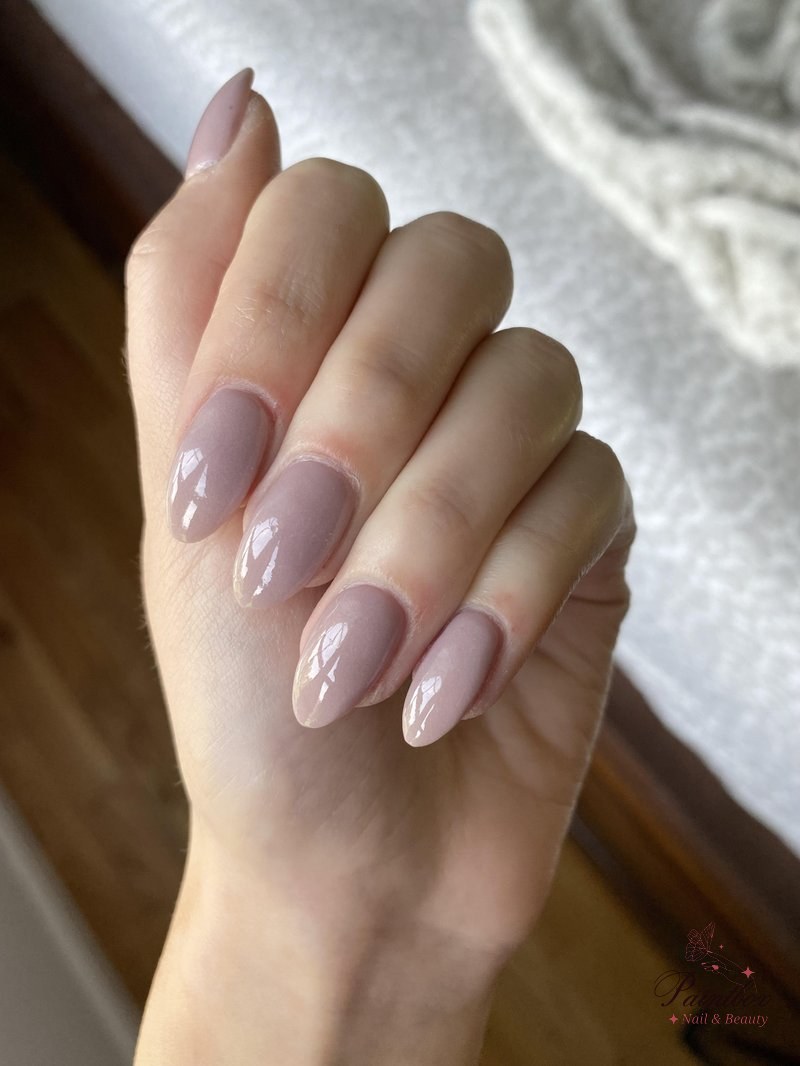
Preventing painful cuticles after a manicure is much easier than treating them. By adopting a proactive approach to nail care and making informed choices about your salon and products, you can significantly reduce the risk of irritation and discomfort. Healthy cuticles are essential for strong, beautiful nails, acting as a natural barrier against external threats. Implementing preventative measures will not only save you from future pain but also contribute to the overall health and appearance of your hands.
Educating yourself about proper cuticle care and salon hygiene standards is key. Don’t hesitate to communicate your concerns and preferences to your nail technician. Remember, your comfort and safety should always be a priority during any beauty service. Let’s explore the best practices to ensure your next manicure leaves you with healthy, happy cuticles instead of painful ones.

Choosing a reputable salon and skilled technician
The choice of salon and technician plays a crucial role in preventing painful cuticles. Always opt for a reputable establishment like Paintbox Nail & Beauty that adheres to strict hygiene standards. Look for salons where tools are sterilized, and technicians use fresh files and buffers for each client. Ask about their sterilization processes, as proper sanitation prevents the spread of infections. A skilled technician understands the delicate nature of cuticles.
They should gently push back cuticles rather than aggressively cutting them. Excessive cutting of the eponychium (the live tissue above the nail plate) leaves your nail bed exposed to bacteria. Observe how the technician handles your nails; if they seem rushed or overly aggressive, it might be a sign to seek another professional. A good technician will also be knowledgeable about different nail products and able to advise on potential allergens, minimizing the risk of reactions.
Best practices for at-home cuticle care
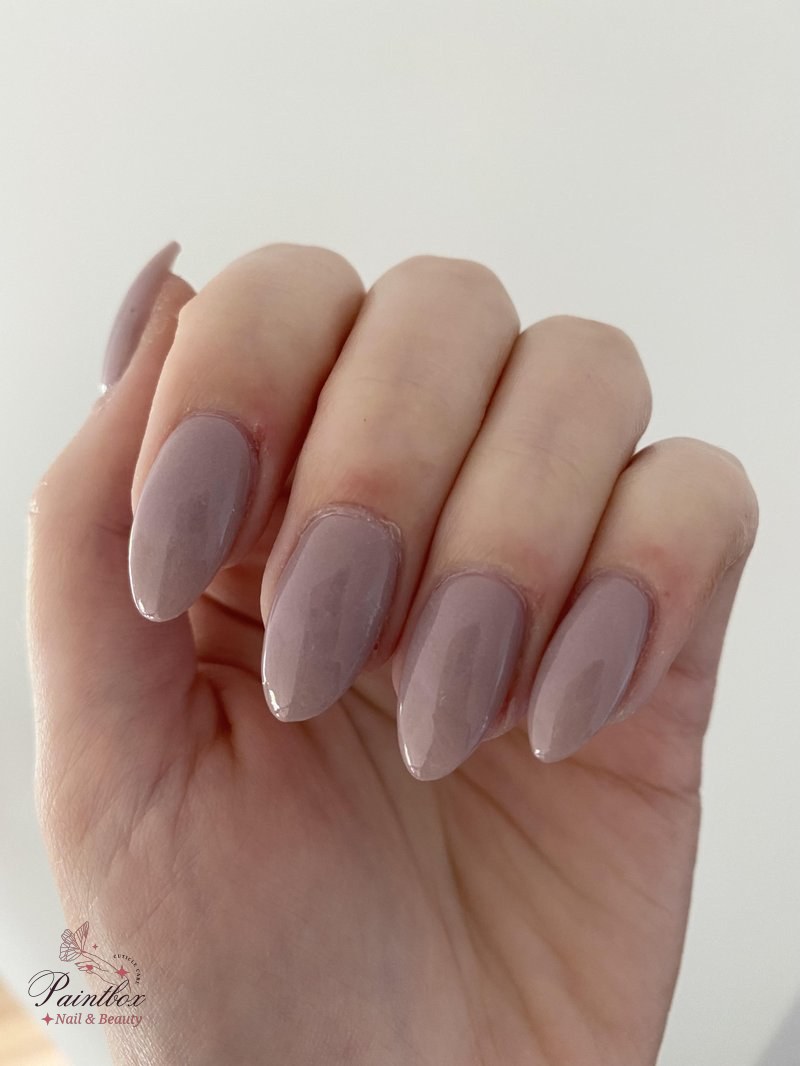
Maintaining healthy cuticles at home is essential for preventing pain and irritation, especially after a manicure. Regularly moisturize your cuticles with a high-quality cuticle oil or balm. This keeps them soft, pliable, and less prone to tearing or drying out. Make it a daily habit, particularly before bed, to allow the product to absorb fully overnight.
Avoid picking or biting your cuticles, as this can introduce bacteria and cause damage. When pushing back cuticles, always use a soft, rubber-tipped pusher and do so gently after showering or soaking your hands, when they are softest. Never cut your cuticles unless absolutely necessary and only remove hangnails with sterilized cuticle nippers. Consistent gentle care will strengthen your cuticles and enhance their protective function, preventing painful cuticles after a manicure.

When a specific nail technique causes cuticle pain
Sometimes, the pain in your cuticles after a manicure isn’t just about general irritation; it can be directly linked to the specific nail technique used. Different manicure methods employ varying approaches to cuticle care, and some are inherently more aggressive or involve products that can trigger sensitivity. Understanding how certain techniques impact your cuticles is crucial for making informed choices and discussing potential concerns with your nail technician. For example, some people find traditional cutting methods more irritating, while others react to the chemicals in gel or acrylic services.
Being aware of these distinctions can help you pinpoint the exact cause of your painful cuticles after a manicure and choose an alternative method that is gentler on your skin. It also allows you to recognize when a technician might be using an unsuitable technique for your particular nail health. Let’s explore how popular manicure styles can sometimes contribute to cuticle discomfort and what you can do about it.
Gel and acrylic manicures and cuticle sensitivity
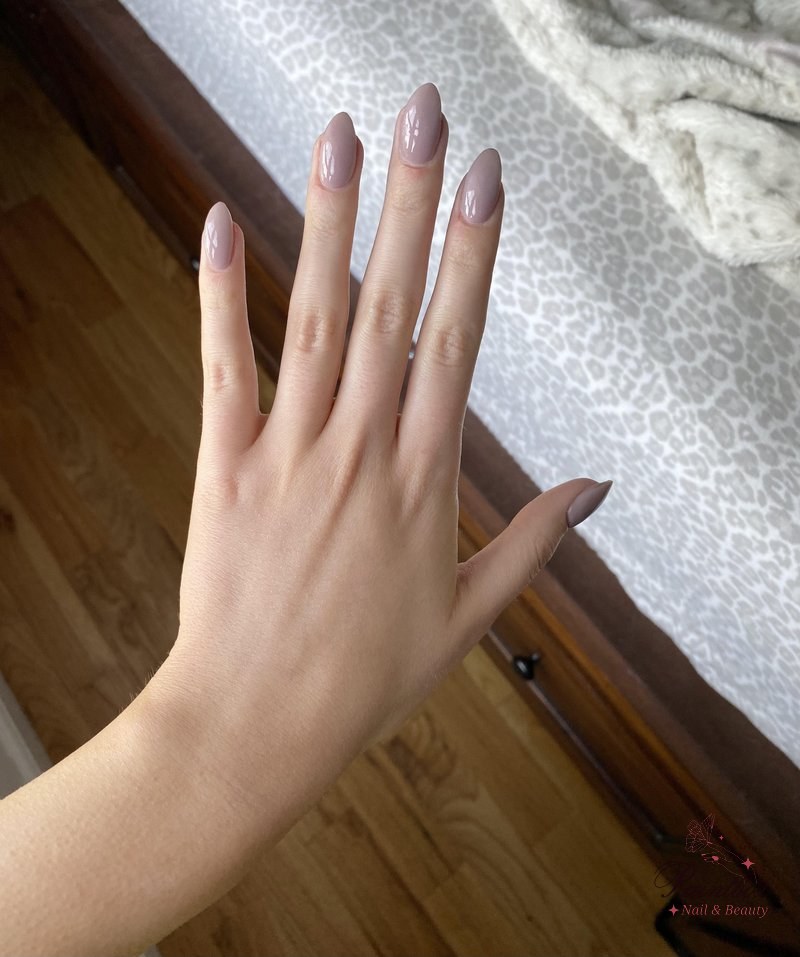
Gel and acrylic manicures are popular for their durability and aesthetic appeal, but they can sometimes lead to painful cuticles for sensitive individuals. The application and removal processes for these services often involve stronger chemicals and more intensive filing than traditional manicures. For instance, the use of harsh primers or dehydrators can strip the natural oils from your cuticles, leading to dryness and irritation. Furthermore, UV/LED light exposure during gel curing can sometimes exacerbate existing sensitivities.
The removal of gel or acrylic nails, which often involves soaking in acetone or extensive filing, can also be very harsh on the cuticles. If not done carefully, the acetone can dehydrate the surrounding skin, and aggressive filing can damage the cuticle. Many people develop an allergic reaction to specific components in gel polish, such as HEMA, which manifests as itchy, swollen, and painful cuticles. My Gel Nail Allergic Reaction: Inflamed Cuticles, Damaged Nails & My Healing Journey illustrates the impact of such allergic reactions.

The role of proper technique in preventing pain
Regardless of the type of manicure, proper technique is paramount in preventing painful cuticles. A skilled nail technician at Paintbox Nail & Beauty will always prioritize the health of your natural nails and cuticles. This means using gentle methods for cuticle pushing, avoiding aggressive cutting of live skin, and ensuring all tools are sterilized to prevent infection. They will also correctly apply and remove products, minimizing damage to the surrounding skin.
For gel and acrylic applications, this includes careful preparation of the nail plate without over-filing the natural nail or cuticle area. During removal, they will use appropriate techniques to dissolve or gently file off products without causing trauma. If after every manicure your cuticles are red, sensitive, peeling or slightly burning — that is not “normal”. And it’s definitely not just “your skin is sensitive” 🥲, Healthy cuticle work should look healthy. By choosing a salon that values precision and gentle care, you significantly reduce your chances of experiencing painful cuticles after a manicure.
Frequently asked questions about painful cuticles after a manicure
Why are my cuticles throbbing after my manicure?
Throbbing cuticles often indicate inflammation or a minor injury during the manicure, possibly from aggressive pushing or cutting. It can also be an early sign of infection, especially if accompanied by redness or warmth. Applying a cold compress and a mild antiseptic can help, but monitor for worsening symptoms.
Can gel polish cause my cuticles to hurt?
Yes, gel polish can cause cuticles to hurt. This can be due to an allergic reaction to ingredients like HEMA, improper application that gets gel on the skin, or aggressive removal techniques that damage the cuticle. Sensitive cuticles after gel nail application? This can be a common occurrence.
How long should painful cuticles last after a manicure?
Minor irritation and soreness should subside within 24-48 hours with proper care. If your cuticles remain painful, swollen, red, or show signs of pus beyond this period, it’s advisable to seek medical attention as it could indicate an infection.
What can I put on my cuticles to stop the pain?
To stop the pain, gently clean the area with mild soap and water, then apply a soothing cuticle oil or balm containing ingredients like jojoba or vitamin E. For inflammation, a thin layer of hydrocortisone cream can provide relief. Avoid picking or further irritating the area.
Is it normal for cuticles to bleed after a manicure?
No, it is not normal for cuticles to bleed after a manicure. Bleeding indicates that the live cuticle tissue has been cut, which can lead to pain, irritation, and a higher risk of infection. This suggests an overly aggressive or improper technique by the nail technician.

Experiencing painful cuticles after a manicure can definitely put a damper on your nail care routine. We’ve explored the various reasons behind this discomfort, from aggressive techniques and allergic reactions to the importance of salon hygiene and proper at-home care. Remember, healthy cuticles are crucial for the overall health and appearance of your nails, acting as a vital protective barrier. By being informed and choosing your nail services wisely, you can enjoy beautiful nails without the pain.
Taking proactive steps, such as selecting a reputable salon, communicating your concerns, and consistently nurturing your cuticles with moisturizing products, will significantly reduce your chances of experiencing post-manicure discomfort. If severe symptoms or signs of infection appear, always consult a healthcare professional. At Paintbox Nail & Beauty, we are committed to providing you with the knowledge and services to keep your nails healthy and pain-free. Prioritize your nail health, and your cuticles will thank you!